
Alumni Spotlight: Personal Journeys after Wroxton
with Steve Romanoff, Wroxton Spring, 1968
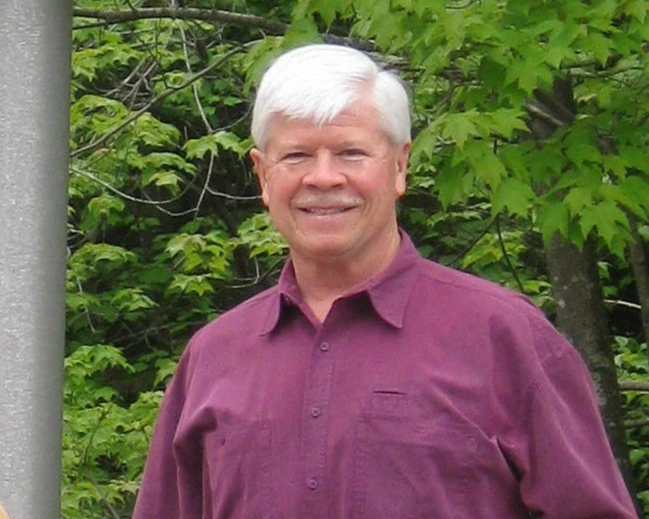
Pictured: Steve Romanoff
Steve Romanoff first arrived at Wroxton College in the Spring of 1968 — a semester that shaped him so deeply he later returned not once, but six times as a faculty member, bringing more than ninety students to experience the Abbey for themselves.
Those return trips became some of his most cherished memories, including a particularly meaningful program where his daughter, then a senior at UNH, joined the cohort. Steve taught history alongside the British Studies course, blending classroom learning with the immersive, place-based experiences that make Wroxton so distinctive.
Interview with Steve Romanoff
What first drew you to Wroxton College, and how has your impression evolved?
I decided as a senior in high school to find a way to study in England during my junior year in college. Although I had looked into other British universities, I chose to study at Wroxton.

A student cohort Steve Romanoff brought to the Abbey for a short-term study abroad session.
What advice do you give students to help them get the most out of their study abroad experience?
Go with a purpose to learn and explore. Get out and meet people. Visit pubs, wander, and make friends with locals. Visit beyond your campus and town. Choose a destination for its history or if it’s home to a famous person. Go visit that place and meet the people.
Do you have a favorite spot on the grounds where you would go to think or recharge?
I loved the ponds and the wooded paths. My room looked out onto the back lawns that I enjoyed walking. The libraries, the Great Hall, and the music room were also very special places.
If you could describe the Wroxton experience in three words, what would they be?
Life-changing (one word), liberating, extraordinary.
What skills do you believe students gain at Wroxton that they can’t get on a typical campus? Or that they gained specifically with your 1968 cohort?
In order to save enough for my junior study in England, I was a commuter student for 2 ½ years before going to Wroxton, so The Abbey was my first residential college experience. The residential living conditions at Wroxton encouraged constant contact with every classmate with whom you were taking all your courses and field trips. The bonding was easy, fun, and has been enduring.
How have you seen students grow personally or academically during their time at Wroxton from the groups of students you brought over? Or in general?
Of the six groups of undergraduates that I brought to Wroxton for ten days over Winter session, each student was motivated to learn and grow. They would express their sense of joy and personal growth for their short Wroxton Experience. My first trip with students was the very first use of the Abbey for a winter session program; and the winter session subsequently became so popular with other colleges that Wroxton had to find time and space for my cohorts. Dr. Baldwin and I each taught a course to my student cohorts, always a wonderful occasion for me.
What was it about your experience there as a student in 1968 that you wished to share decades later with your own students?
My 1968 group of 45 were from across America and a few already knew each other, but most of us were strangers. We all became lifelong friends who to this day, fifty-seven years later, still keep in touch and share our lives as well as our memories. We have had several reunions back at The Abbey, bringing our spouses, kids, and significant others to the magical place that we all shared and that changed our lives.
Were there any specific things about your time as a student at Wroxton in 1968 that focused your career choice to become an academic?
A Wroxton classmate suggested that I go to the village in Wales where the poet, Dylan Thomas, had lived and was buried. I hitchhiked there with a classmate and met Thomas’ friends and pallbearers. It forever changed my life. I ended up getting my Master’s Degree in 20th century British poetry in 1971 with a concentration on Dylan Thomas’ poetry. Attending Shakespeare plays at the Royal Shakespeare Theatre in Stratford as well as the entire Wroxton experience propelled me into teaching and further academic pursuits.
What are some of the best memories of your time as a student at the Abbey?
Where to start? For me, it was a total immersion. I loved everything about The Abbey: living, learning, studying, admiring, sharing this historical space with new friends. From the 13th century basement arch to the Great Hall and the libraries: the Abbey enfolds you like a loving relative you never knew. We would sing and perform in the Music Room, cavort and play football on the King’s grass tennis court, we would meet after every dinner and share stories of our day. My friends' faces and laughter are my best memories.
In what ways did your music become a part of the shared experience for your cohort at the Abbey?
Our 1968 semester was in the middle of the folk music revival in the US and England. I was part of a folk trio back in Maine and I had brought my Martin guitar to Wroxton. One night at the North Arms Pub across from the Abbey I started playing it and a few classmates joined in on songs we all knew. Even the local folk at the pub would join in. The vast, common repertoire that our group shared became a common language, a shared knowledge and emotion that makes singing so powerful a human action. One song, “Leaving on a Jet Plane,” held a different meaning for each of us when we first arrived at the Abbey. At the end of the semester, the song held a special, mutual significance for us who had all grown so close as friends and now were leaving this wonderful time and place, perhaps to never see one another again. Every time I hear any of those songs I think of Wroxton; and we always sing them when we have a reunion.
How have you left your mark on future generations of students at the Abbey?
The first couple of times we had reunions at the Abbey, there was a guitar in the reception office that I could use. One year, there was no guitar, so I went into Banbury and bought a guitar to use and just donated it to the Abbey when we left. It was still there when I went back with my students.

An archived Oxford Mail feature from May 10, 1968 that chronicles Steve’s hitchhiking travels during his semester at Wroxton College.