
Course Catalog
Courses A-Z
Interdisciplinary / British Studies
The Anatomy of Contemporary Britain (3 credits)
An interdisciplinary “landing” course designed to help students interpret Britain’s contemporary life and culture in context. It focuses on the cultural and attitudinal differences that can be hidden by a shared English language, and trains students to observe, compare, and explain “why things are the way they are” through topics explored both in class and on-site. A core premise is that “different” is not a value judgment – the work is to identify the roots of difference and reflect more thoughtfully on both Britain and one’s own home culture.
Performing Arts

Shakespeare in Practice (3 credits)
Offered in partnership with the Royal Shakespeare Company (RSC), this course begins with Shakespeare’s historical and performance context, linking authorship, theatre conditions, and audience expectations to interpretive choices today. Students learn a repeatable process for first encounters with speeches and scenes: translating into their own words, applying core Stanislavski questions (where/when/who/why), and defining objectives and micro-objectives. Work then deepens into “actioning” beats with active verbs, using antithesis for clarity, developing voice and use of space, and building characters and worlds that keep the text vivid, authentic, and visceral.
Architecture & Preservation
The Development of Architecture & Design in Britain (3 credits)
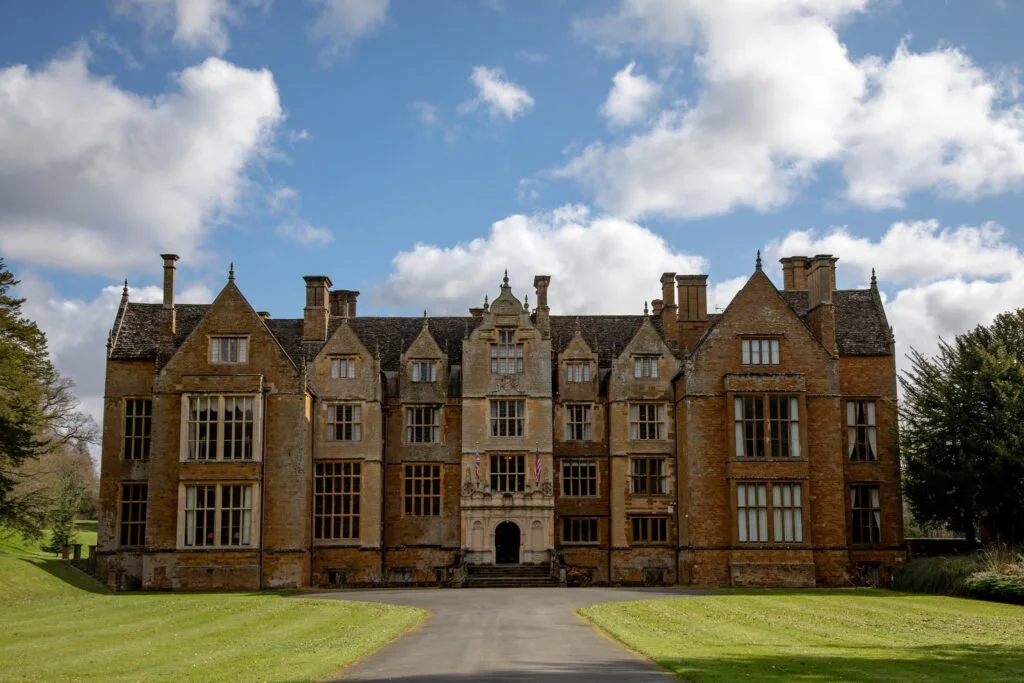
A survey of British architecture and design from early Anglo-Saxon and Norman stone structures through major stylistic and cultural shifts including Gothic, Baroque, Neoclassical, and Modernist design. The course emphasizes how European influences, the Industrial Revolution, and the Arts & Crafts movement shaped the built environment, from Victorian terrace housing to later 20th-century Brutalism and its concrete-focused aesthetics. Students connect design forms to the economic, social, and technological forces that produced them.

Historic Preservation & Building Conservation in Britain (3 credits)
An introduction to Britain’s preservation system as a regulated, institution-led framework under bodies such as Historic England and English Heritage. Students examine how legislation (including the Planning (Listed Buildings and Conservation Areas) Act 1990 and the Ancient Monuments and Archaeological Areas Act 1979) shapes what can be altered, protected, or repurposed. The course highlights conservation standards and practice: repair-first approaches, sustaining traditional crafts, and ensuring modifications are reversible and sustainable where possible.
Art History / Visual Culture
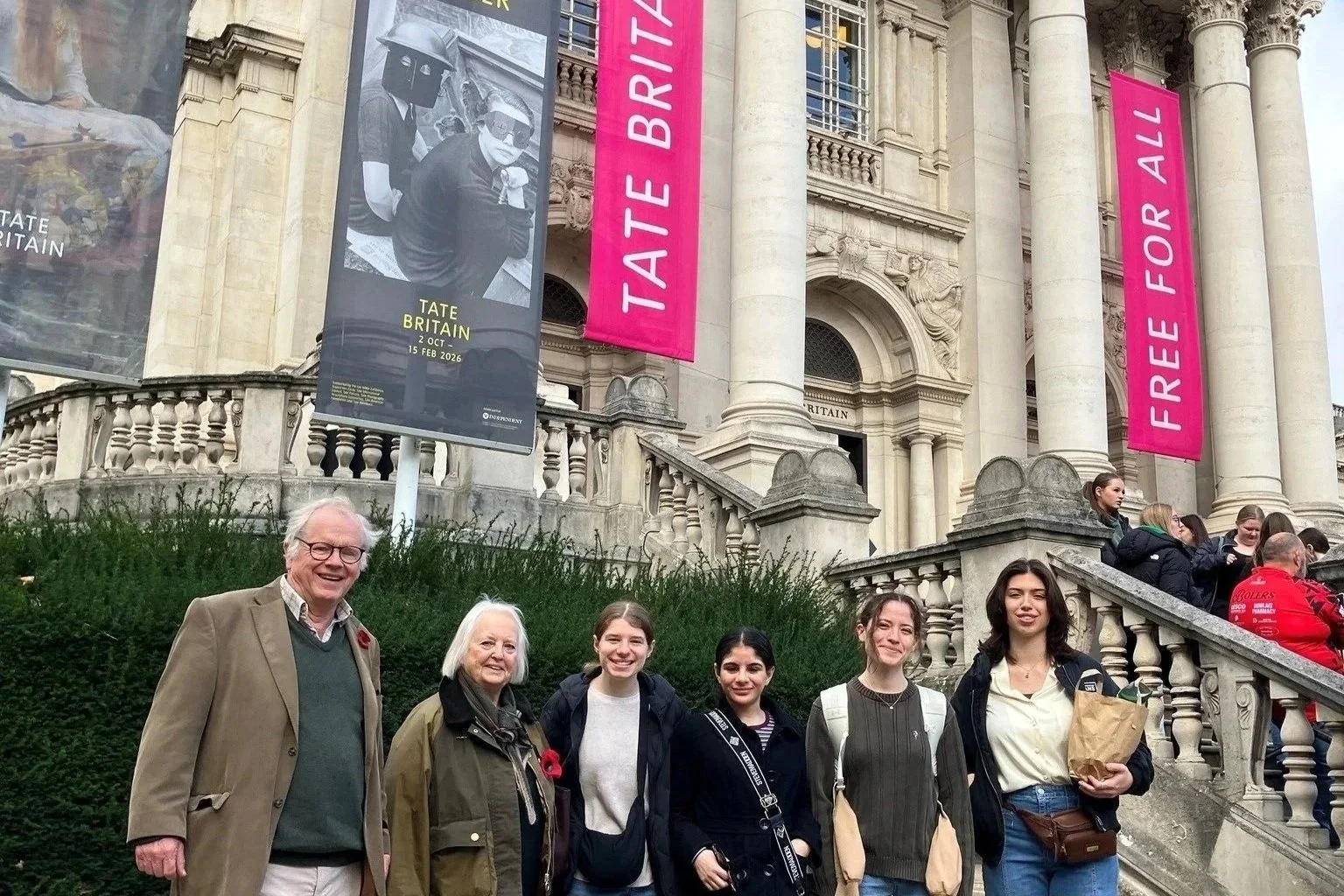
The Development of British Painting (3 credits)
A historical introduction to British painting and allied arts from the early modern period (c. 1485) to the present, set against key European developments and cross-channel influence. Lectures and tutorials trace changes in style and technique, shifts in subject matter, and the evolving relationship between patrons and artists. Supervised visits to national collections anchor the academic work in direct engagement with major works.
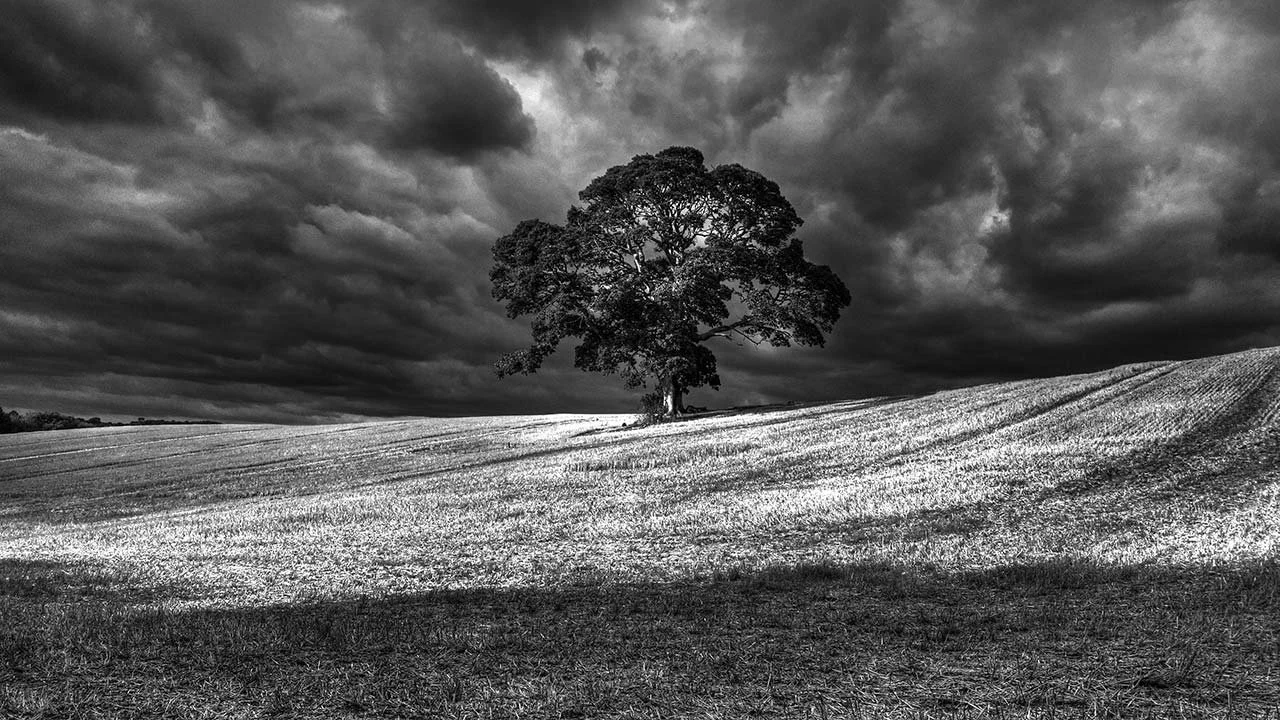
Shadow & Light: A History of British Photography (3 credits)
A history of British photography through the lens of technique as “visual language,” asking how the medium’s technical limits at a given time shape meaning. Students analyze choices of lens, lighting, focus, cropping, shapes/patterns, lines, and tonal range as tools for conveying feeling and viewpoint. Coverage spans photojournalism, portraiture, advertising, abstraction, landscape, and fashion, with visits to institutions such as the National Portrait Gallery, the Photographer’s Gallery, and the Royal Photographic Society to study original prints.
Natural Sciences
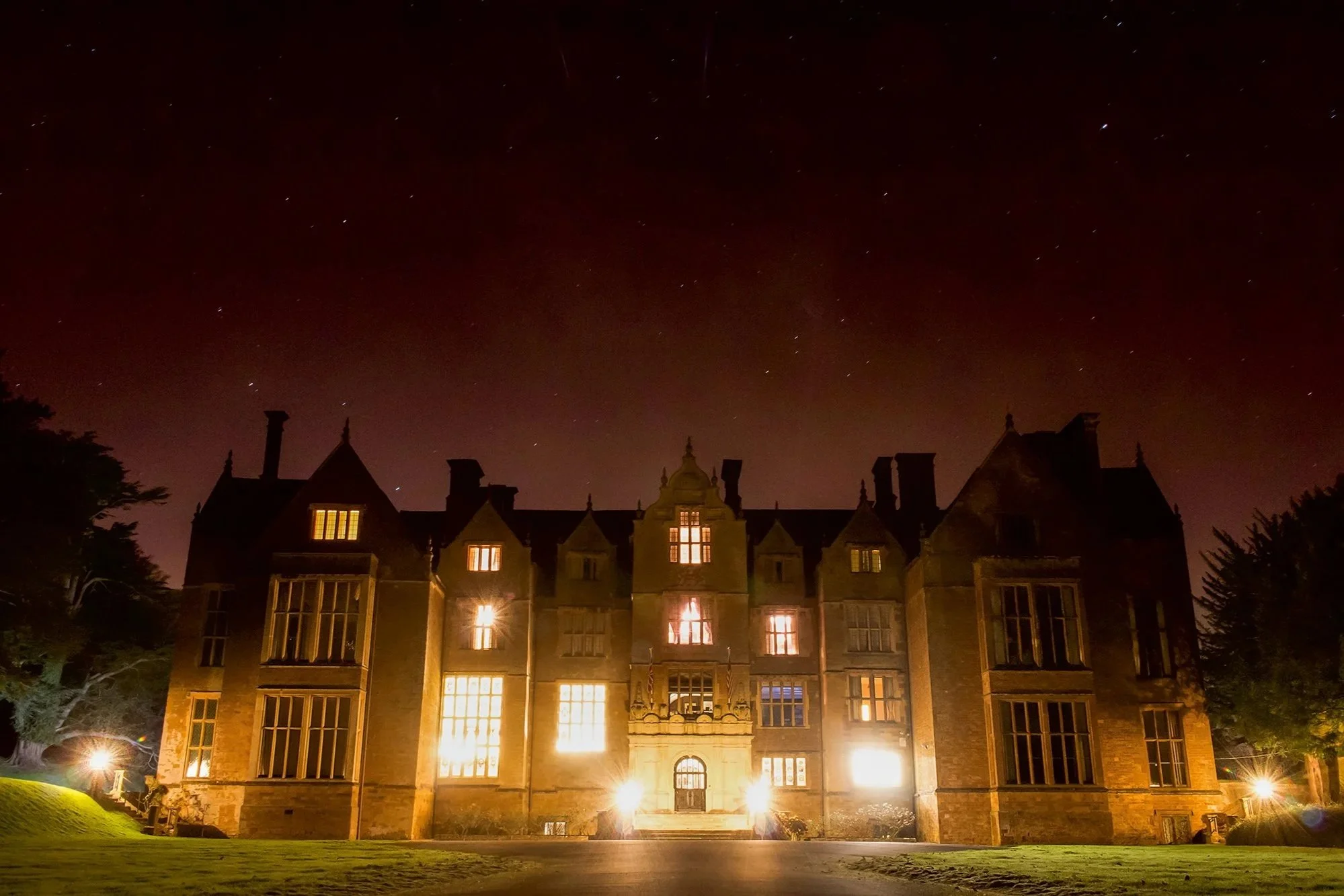
Astronomy (3 or 4 credits)
A full-spectrum survey of the universe, moving from the origin and structure of the solar system to the properties, origins, and evolution of stars, galaxies, and cosmology. The course is designed to give students a coherent “big picture” framework – from planetary formation through large-scale structure – and to connect observational evidence to core scientific explanations.
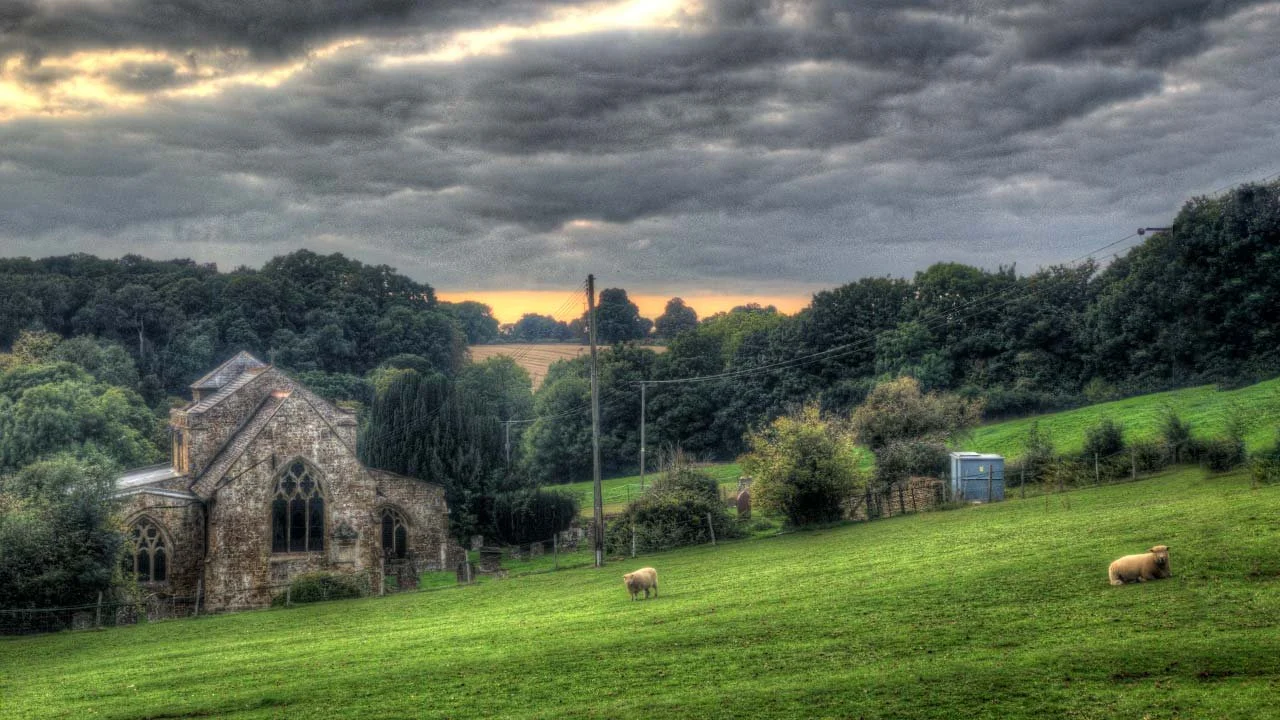
Sustainability (3 credits)
An interdisciplinary course addressing global sustainability through multiple lenses (geology, geography, environmentalism, economics, political science, psychology, geopolitics). Students explore how interconnected systems create both visible and less obvious dependencies, then apply the framework to solutions and the obstacles that block progress. British and European perspectives are incorporated throughout.
Communications / Media

Culture & Media in Britain (3 credits)
Investigates the evolving relationship between British culture and the public and commercial media, past and present. Students gain conceptual tools to analyze how historical, political, economic, and cultural forces shape media institutions and the narratives they produce. The course is designed to be practically oriented, applying theory to real examples and current media dynamics.

International Communications (3 credits)
Provides a framework for understanding cross-border interaction and communication, with particular attention to how the internet, media, and emerging technologies shape perspectives across countries. Examples and discussion regularly draw on UK and European media ecosystems and current debates about speech, regulation, and platform governance. Students develop strategies for increasing cultural understanding and reducing conflict in intercultural settings, linking communication choices to real-world outcomes.
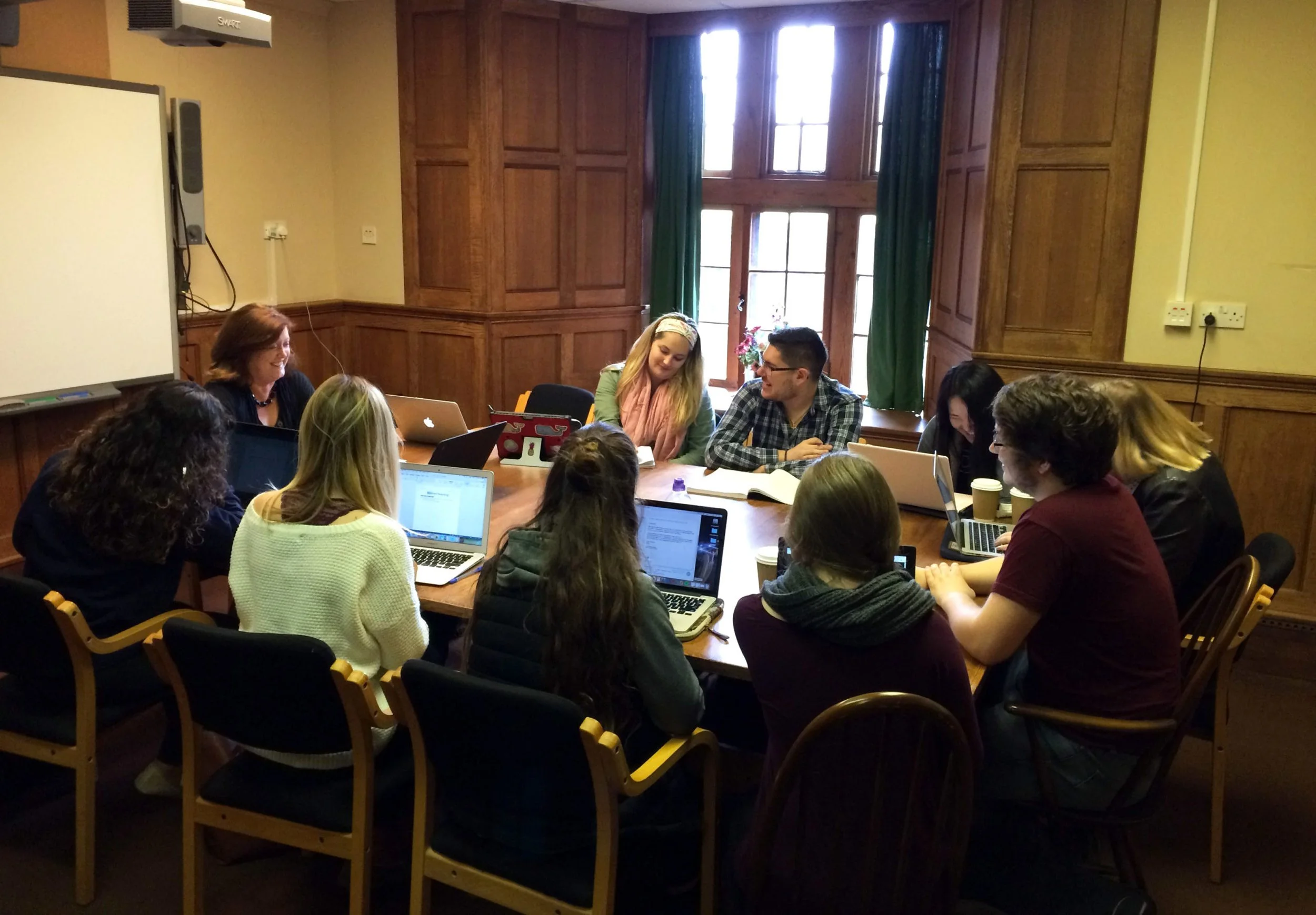
Social Media, Communications & Community (3 credits)
Examines virtual communities and online social networks from multiple theoretical perspectives. Students assess social media’s effects on communication within groups, organizations, and society, and learn the concept and practice of social network analysis as a way to measure communication flows. Students apply concepts to British and European cases, including differences in legal/regulatory approaches to privacy and online harms. Active participation in multiple social media forms is paired with critical analysis of implications for community, influence, and behavior.
Business / Economics
Career Strategies (3 credits)
Career success is more than a matter of luck. Academic preparation, hard work and resilience all matter as does learning career strategies to enhance your performance. This course will help you be more successful in your first job after graduation and beyond by providing insights into building a strong relationship with your boss, finding mentors and sponsors, and networking effectively. It will help you better understand career paths, assess career risk, and consider the importance and challenges of work life balance. You will also practice making formal and informal presentations to develop the oral communication skills that are highly valued by employers.
Fundamentals of International Business (3 credits)
Introduces the environmental and managerial realities of operating across borders. Students explore how international competition, technology diffusion, and differing business contexts shape strategy and decision-making. The course emphasizes practical awareness of complexity – how firms adapt when markets, rules, and competitive dynamics change internationally. Case discussions and examples emphasize UK and European business contexts, including regulatory and cultural differences relevant to operating in and from Britain.
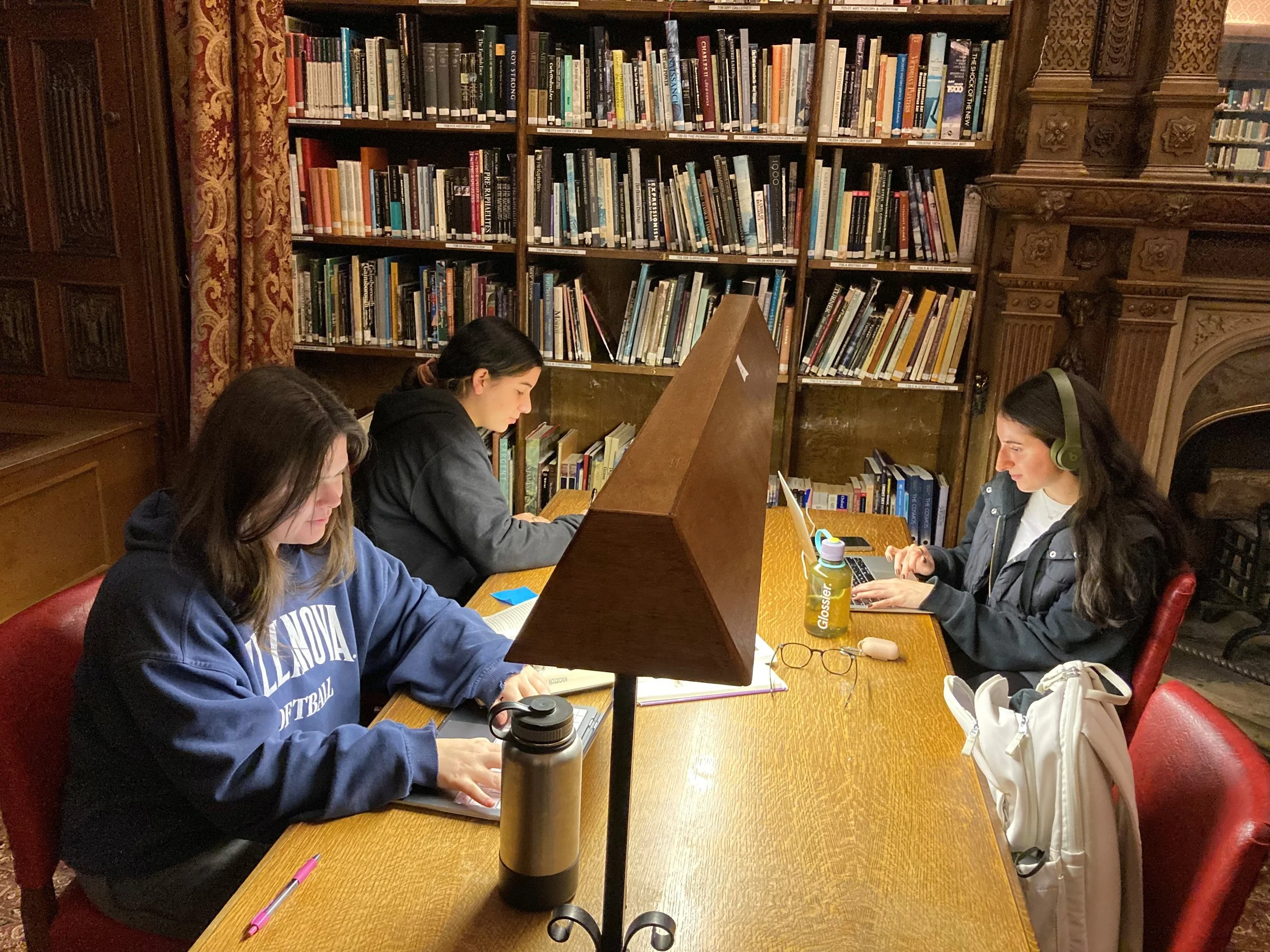
International Investment (3 credits)
A broad survey of global investment opportunities across money markets, equities, sovereign bonds, currencies, commodities, and digital assets (cryptocurrency). Students study timing and selectivity considerations, techniques for investment analysis, and approaches to forecasting interest-rate and exchange-rate movements. Coverage includes UK and European market structures and institutions (including London’s role in global finance), and how currency and policy dynamics affect international investors. The course also introduces futures trading and the functioning of major international capital markets and stock exchanges.

Money & Banking (3 credits)
Covers monetary theory and the principles of banking, with a focus on how central banks, commercial banks, and other financial institutions operate. Students examine monetary and fiscal policy tools, the regulation of financial institutions, and the expanding role of digital currency (cryptocurrency) in modern finance. Students compare UK and US monetary and banking institutions, with attention to the Bank of England’s framework and the UK’s financial-regulatory environment. The aim is to link institutional mechanics to real-world outcomes like stability, credit conditions, and economic performance.

Economic Policy Making in Britain (3 credits)
Explores how economic policy is made in the UK, centered on the division between fiscal policy (HM Treasury) and monetary policy (Bank of England), and the shared objectives of inflation control, growth, and stability. The course highlights the Chancellor of the Exchequer’s pivotal role and examines how political priorities, market pressures, and structural reform agendas shape policy choices. Contemporary emphasis includes long-term growth initiatives, planning reforms, and industrial strategy.
European Economic Integration (3 credits)
Examines Europe’s post-1945 growth and development through the lens of regionalism and integration. Students focus on how institutions, policies, and political processes evolved to create today’s integrated European economic landscape. Emphasis is on the milestones and tradeoffs of integration over time.

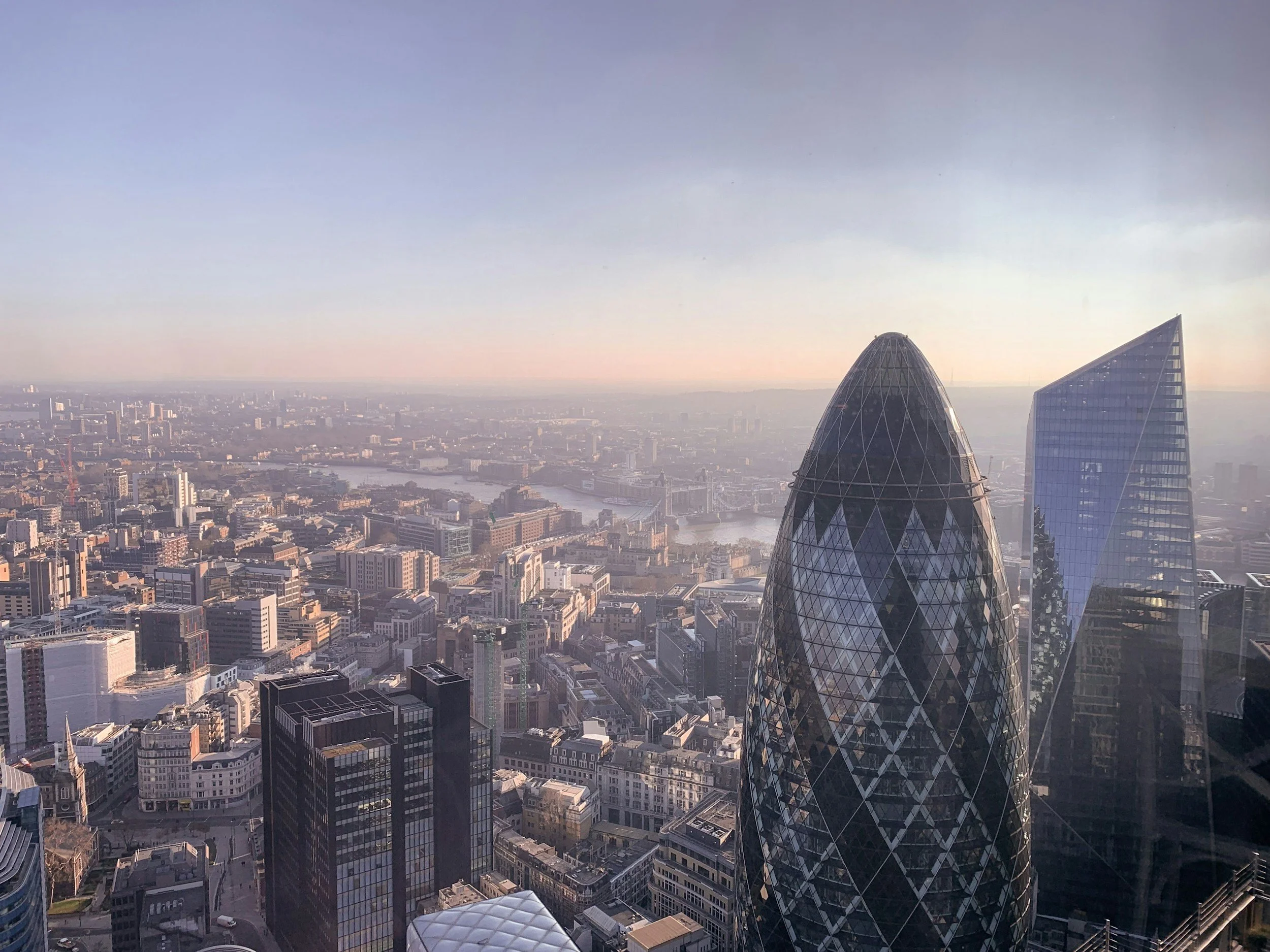
The Contemporary British Economy (3 credits)
A topical course organized around major areas of national economic debate: monetary and fiscal systems, state ownership and regulation, production and distribution networks, investment, employment and labour markets, trade, and the international dimension. Students connect institutional design to real economic outcomes and policy tensions facing Britain today.
The Political Economy of the European Union (3 credits)
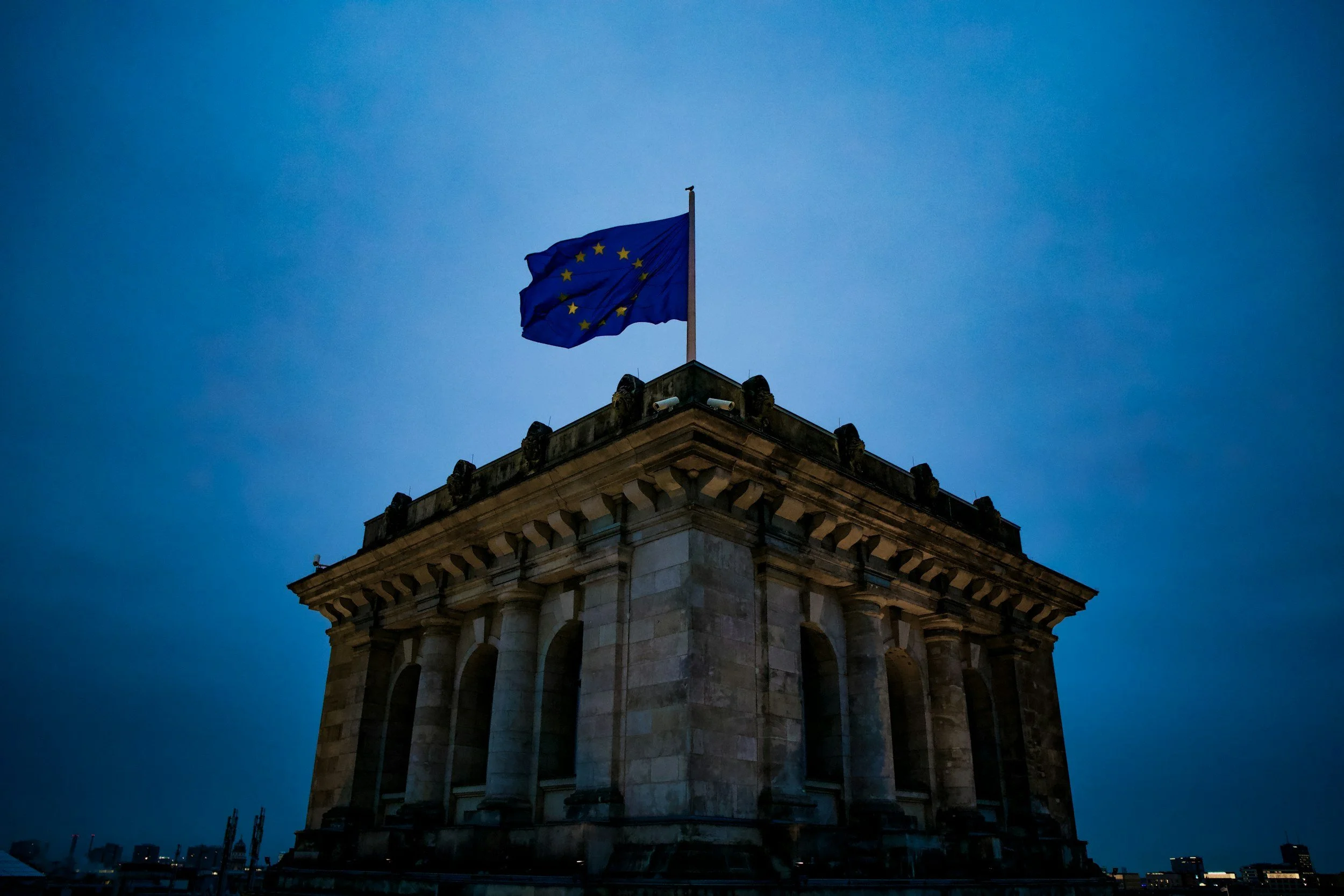
Analyzes how the EU governs an integrated single market while balancing different national capitalist models and competing economic priorities. Students examine how market-expanding policies interact with social objectives, and how multi-level institutions (Commission, Council, Parliament) navigate national interests, lobbying pressures, and crisis response. The European Court of Justice is treated as a central constraint and driver in the system’s evolution.
The European Business Environment (3 credits)
Introduces Europe as a complex, highly integrated business environment shaped by the EU’s Single Market, customs union, and shared regulatory frameworks. Students look at how diverse national economies and cultural contexts operate within common competition policies and regional development priorities. The course also emphasizes contemporary drivers such as sustainability, digitalization, innovation, and the institutional effects of the single currency.
Organizational Behavior (3 credits)
Being able to motivate employees, lead teams, handle conflict and effectively communicate are essential skills for all careers, especially for supervisors in the business world. This course emphasizes applying theories and developing interpersonal and managerial skills, such as understanding individual differences, effectively working in teams, motivating and influencing others, leadership techniques, and managing organizational change. You will learn how highly effective supervisors and companies manage employees through in-class lectures, readings, and group exercises, as well as through assessing personal strengths and practicing employee-oriented management techniques. This course truly applies ' real world' scenarios and teaches to how best to apply various organizational methods to create healthy and productive companies.
Sustainability (3 credits)
An interdisciplinary course addressing global sustainability through multiple lenses (geology, geography, environmentalism, economics, political science, psychology, geopolitics). Students explore how interconnected systems create both visible and less obvious dependencies, then apply the framework to solutions and the obstacles that block progress. British and European perspectives are incorporated throughout.
Creative Writing
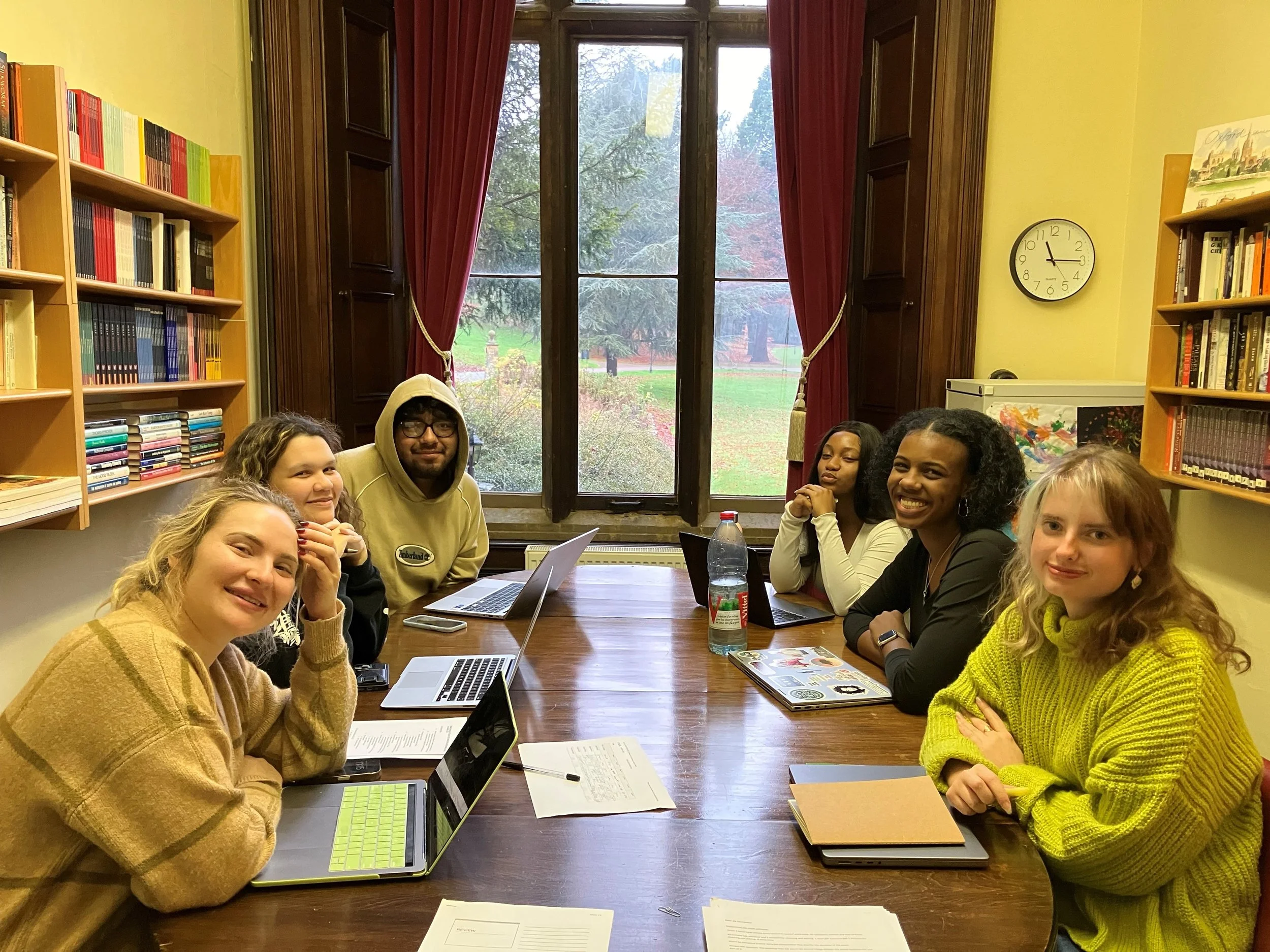
Creative Writing (3 credits)
This course will help students hone and refine their own writing voice. Each class will focus on a specific aspect of the writing process, such as description, dialogue, plot or setting. Students will write a wide range of short stories. By writing regularly and by receiving positive critical feedback, students will find that their writing improves and hopefully will continue writing stories long after the course has finished.
Education
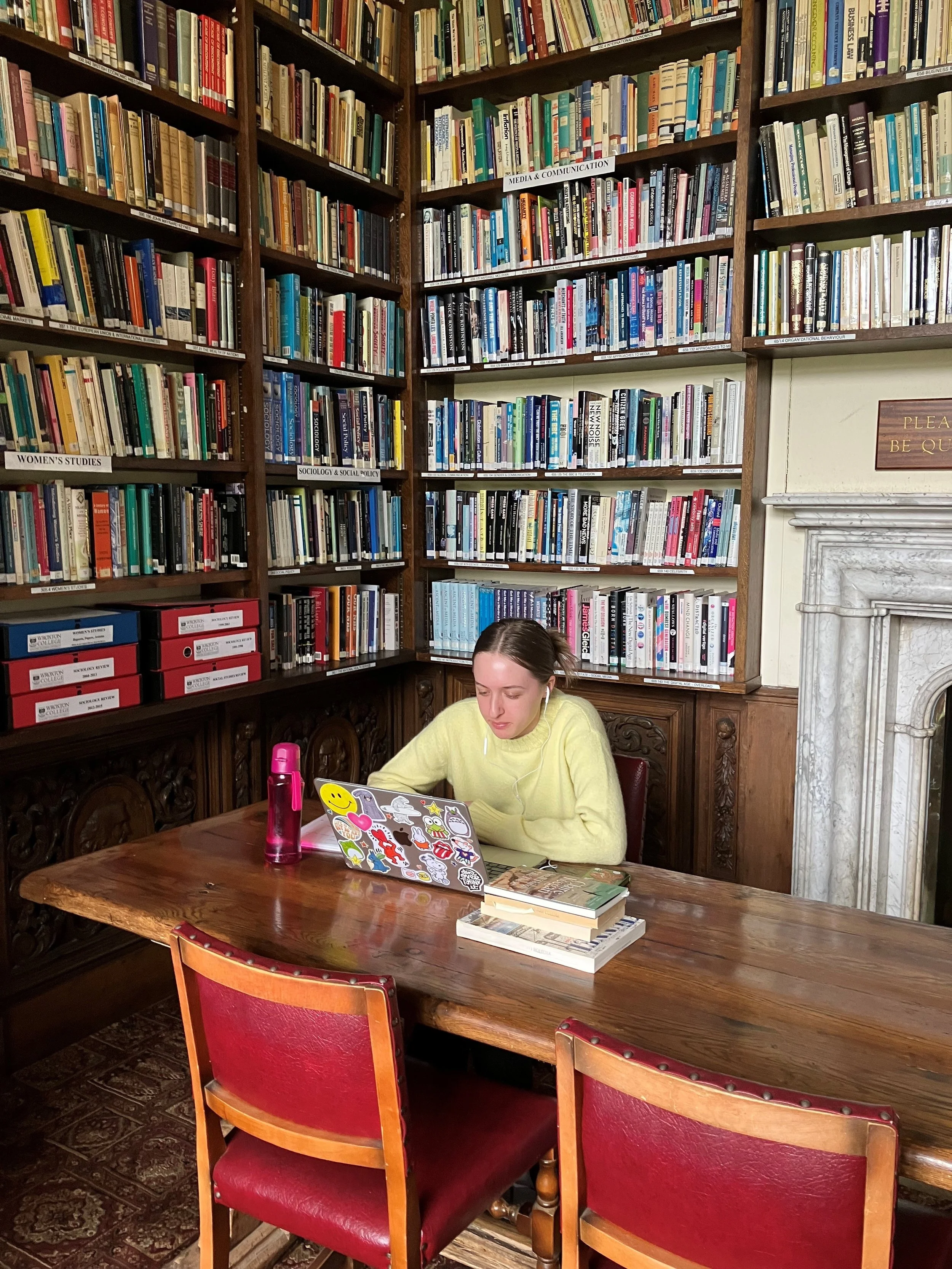
Education in Contemporary Britain (3 credits)
Traces the history and development of education in England and Wales while introducing foundational educational philosophy. Students then examine recent reforms, innovations, and debates, putting current issues “under the microscope” to understand how schooling reflects broader social priorities and tensions.
English Literature
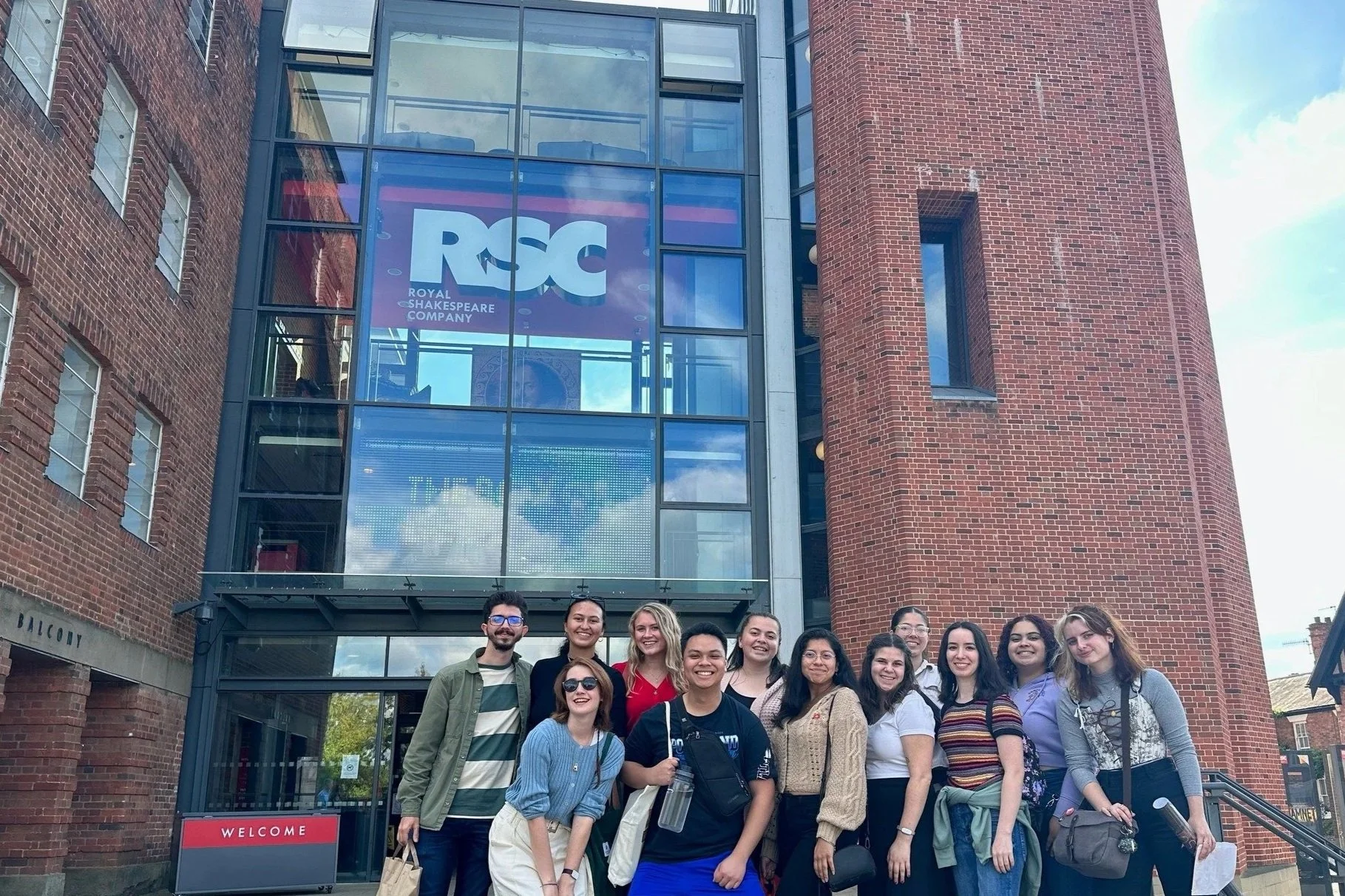
Shakespeare’s Blueprint – From Page to Stage (3 credits)
Explores how Shakespeare’s plays are translated from text into performance, with a strong emphasis on contemporary staging choices. Students engage directly with productions, especially those mounted by the Royal Shakespeare Company in Stratford-upon-Avon and London, and also consider work at the Globe, the National Theatre, and other venues. The course treats performance as interpretation – how staging, acting, design, and directing build meaning.
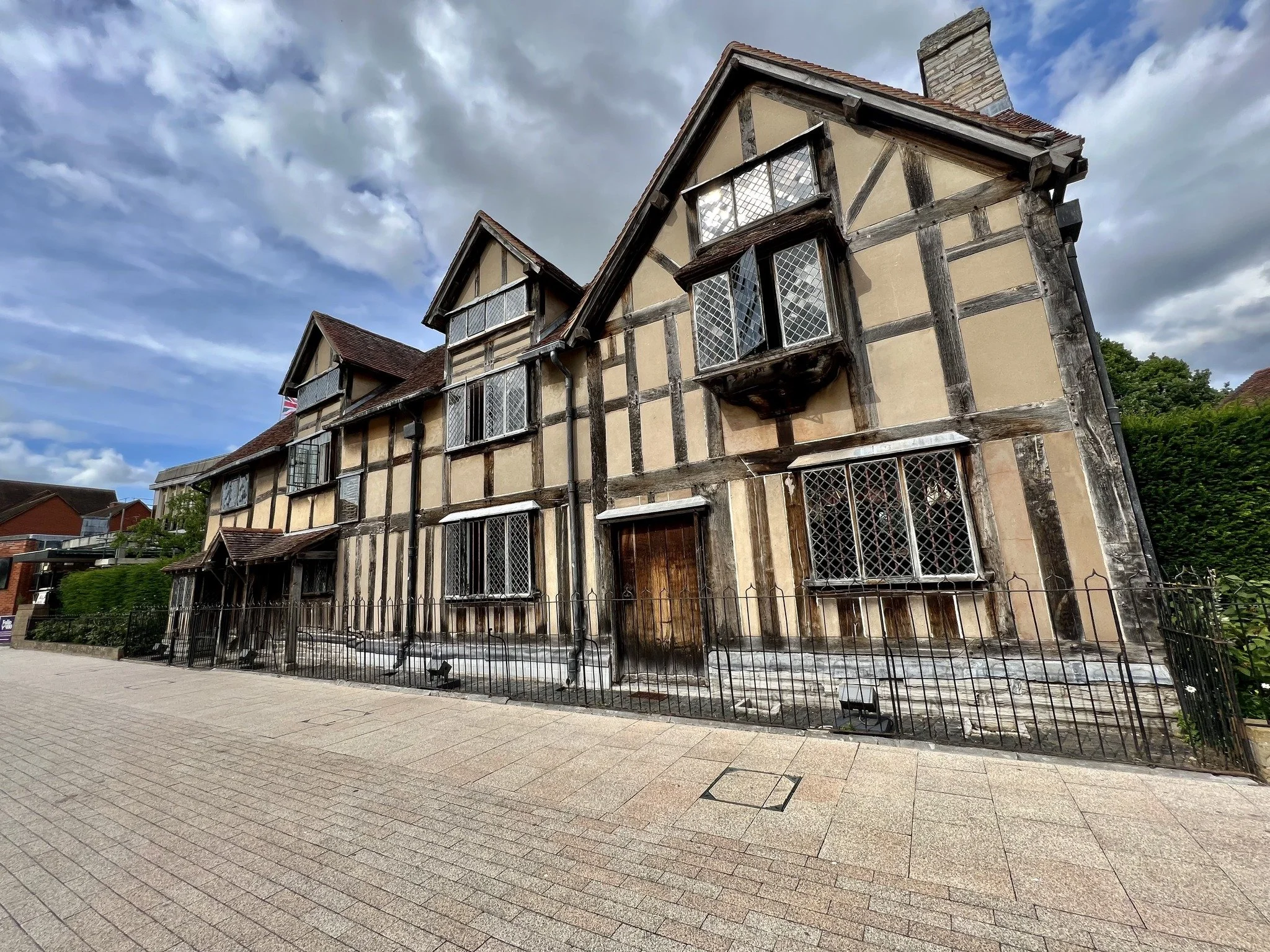
Shakespeare – Not of an Age But for All Time (3 credits)
Focuses on why Shakespeare continues to speak to modern audiences, using contemporary productions as a primary reference point. Students examine interpretive decisions in recent stagings (RSC and others) to understand how themes, character, and language connect to current cultural concerns.
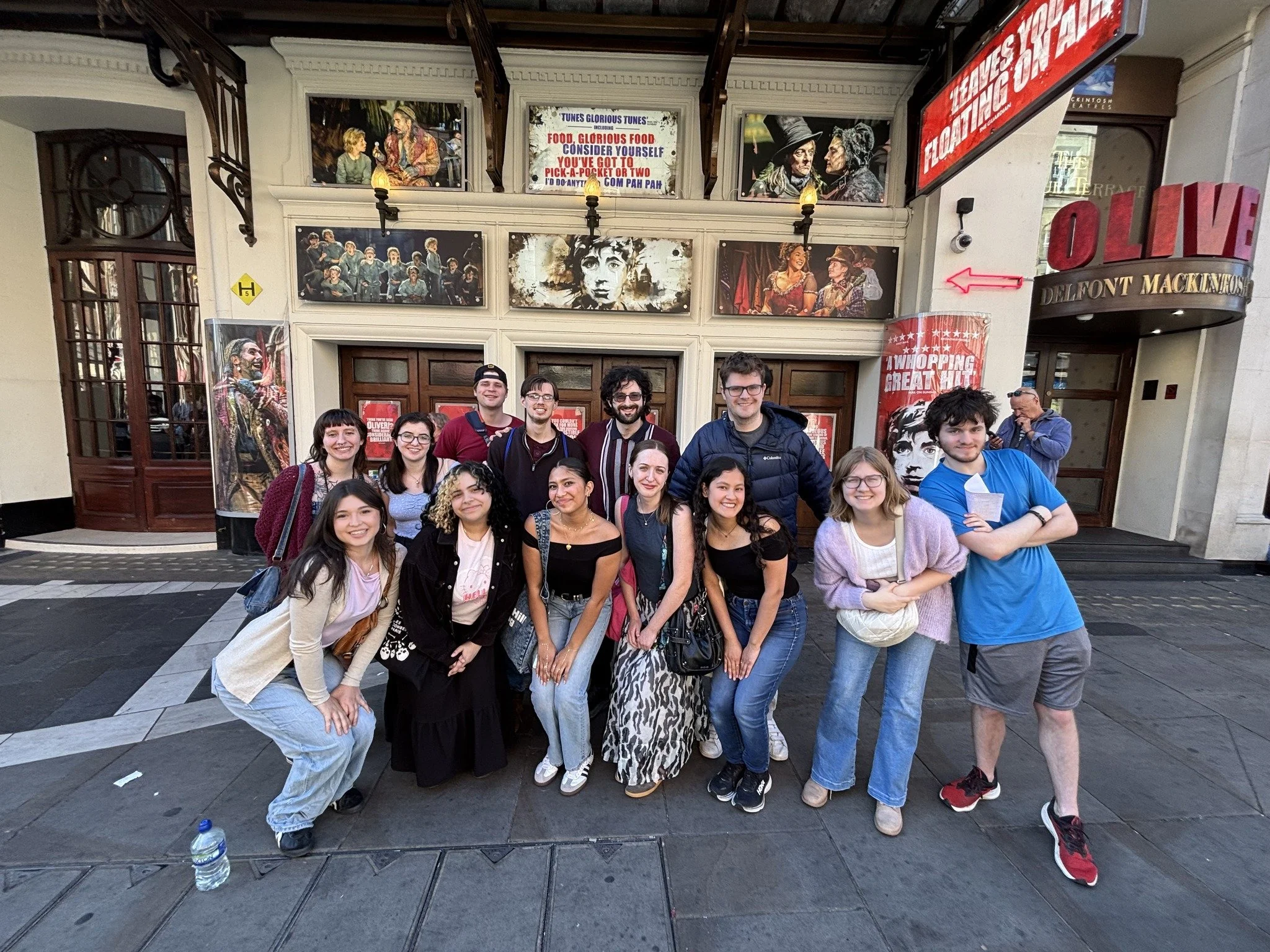
Shakespeare – The Play’s the Thing (3 credits)
Examines the relationship between text and performance, treating the play as a blueprint that must be realized through choices on stage. Students analyze productions in the RSC season (and comparable companies) to see how performance clarifies, reshapes, or challenges what is on the page.
Shakespeare – To Hold the Mirror Up to Nature (3 credits)
Looks at how actors, directors, and designers work on Shakespeare’s texts, with particular attention to RSC productions. Students explore the range of plausible interpretations and extend the analysis to film and television versions of the plays to compare how medium changes meaning and impact.
16th & 17th Century Playwrights (3 credits)
Studies the continuing relevance of early modern drama beyond Shakespeare, emphasizing how these plays “reach out to us today.” Students connect text to contemporary staging practices, with particular reference to productions at the RSC’s Swan Theatre in Stratford-upon-Avon.
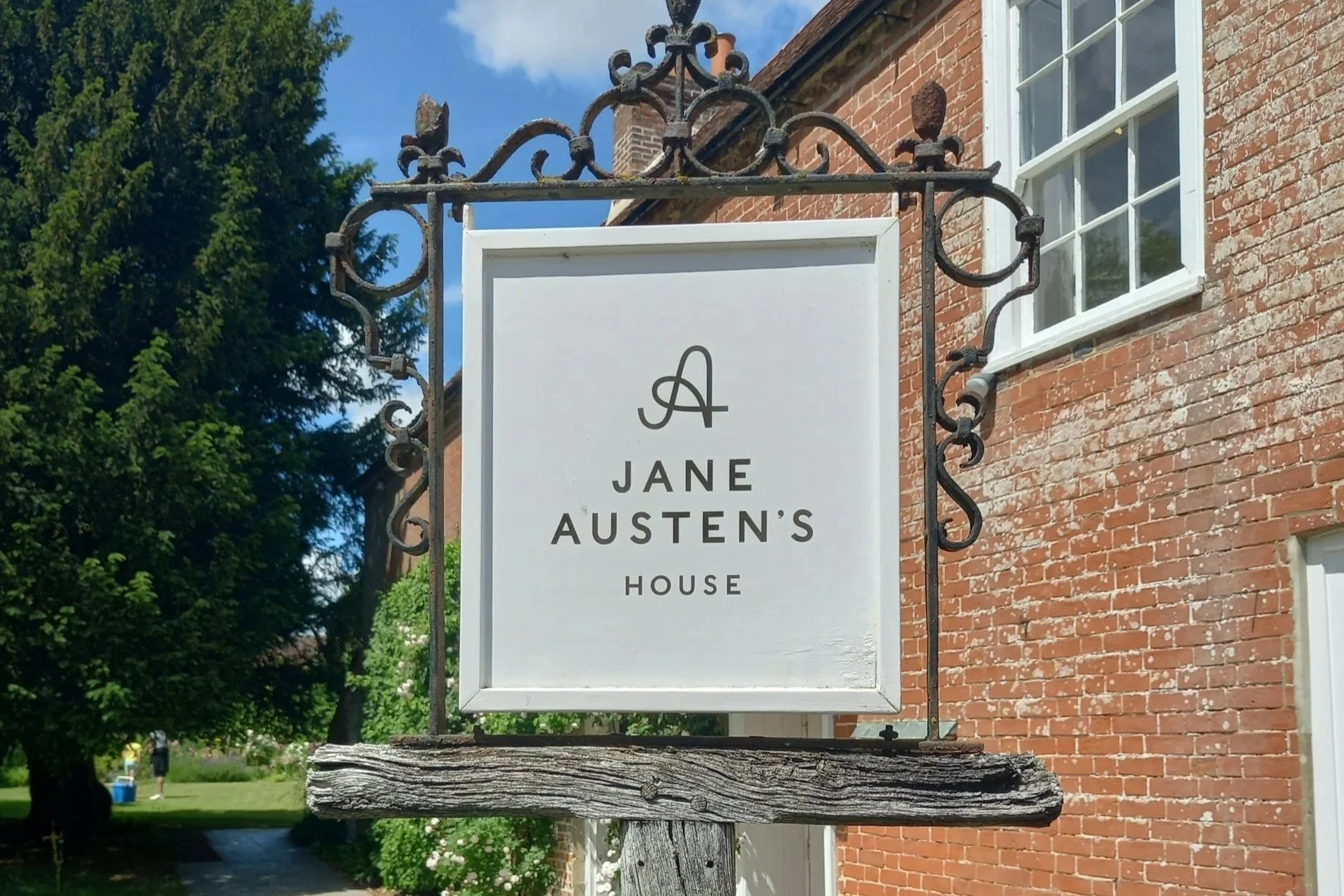
18th Century Literature (3 credits)
Builds a rich picture of 18th-century life through novels, poetry, and shorter fiction, highlighting satire, philosophical debate, and sentiment. Core authors include Pope, Swift, Defoe, Johnson, and Austen, with attention to how literary form engages public life and social change.
Three 19th Century Writers (3 credits)
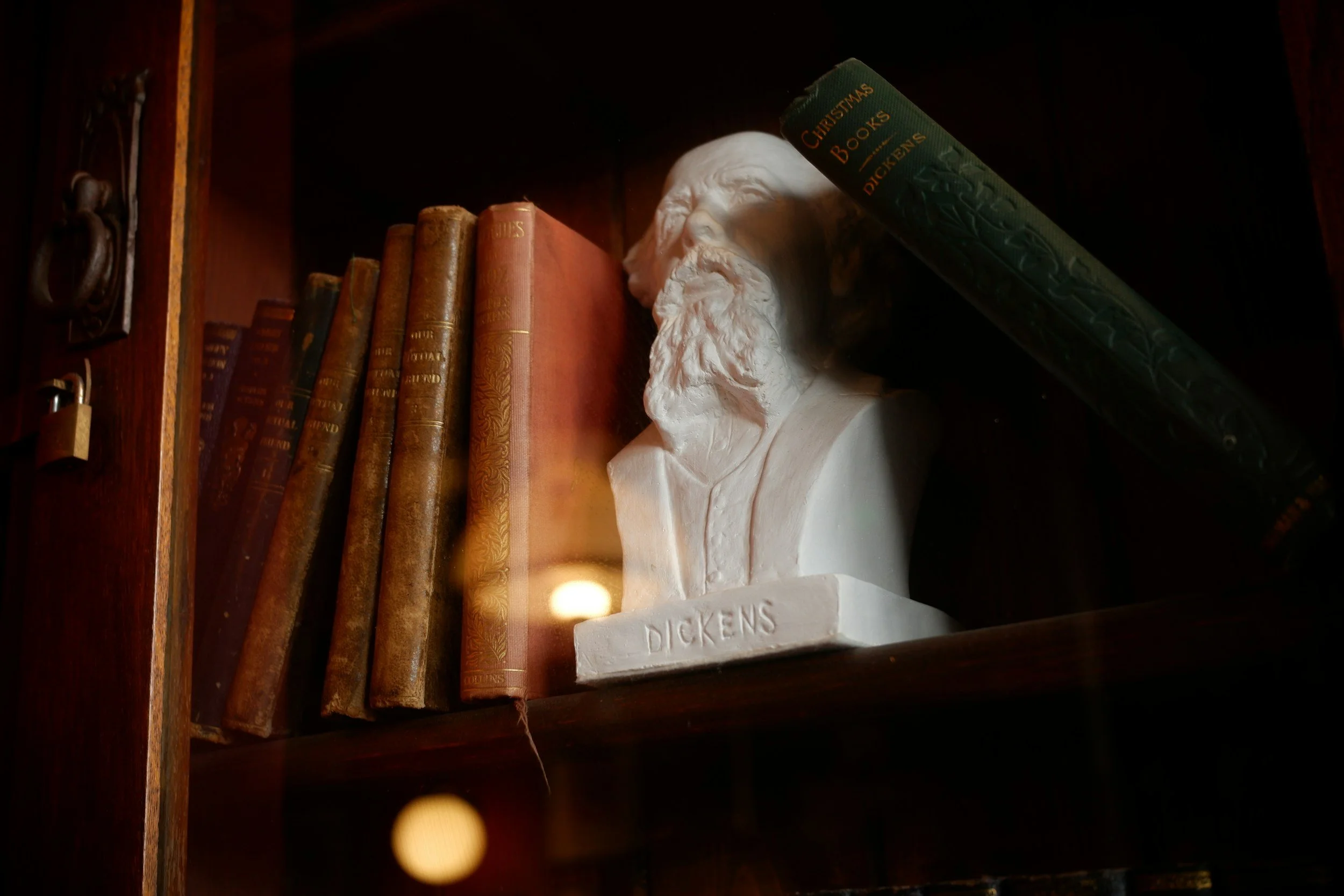
Helps students navigate the scale of 19th-century literature by concentrating on three writers across key traditions. Readings include one Romantic-era poet (such as Tennyson, Browning, or Hopkins), work by a Brontë sister, and major fiction by authors such as Dickens, George Eliot, or Thomas Hardy. The emphasis is on close reading, argumentation, and developing genuine enthusiasm for the period.
Literature & Society in Victorian England (3 credits)
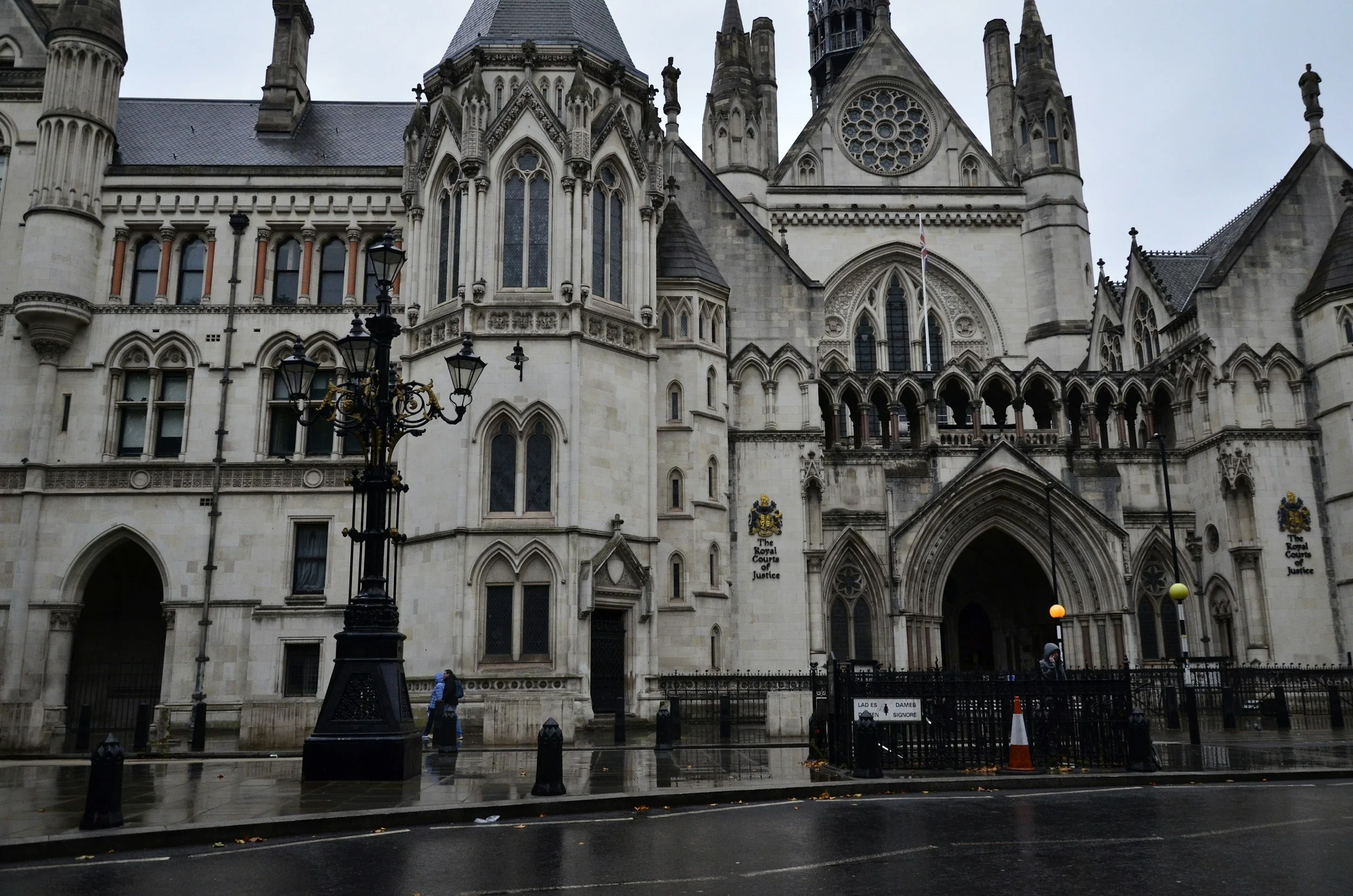
Centers on literary responses to industrialization and social crisis in an era marked by both expansion and poverty. Students study contemporary documents (including working men’s diaries) alongside writers like J.S. Mill, Carlyle, and William Morris, and major novelists such as Charlotte Brontë, George Eliot, Elizabeth Gaskell, Dickens, and Hardy. The course connects textual analysis to lived social conditions and reform debates.

20th & 21st Century Drama (3 credits)
Analyzes how cultural, social, and political shifts are reflected in modern dramatic literature’s style and content. Close textual work is paired with close critical study of plays in performance, focusing on how theatre’s social awareness evolves over time.

Modern Novels on the Screen (3 credits)
Assesses film and television adaptations as works in their own media, while also returning to the original texts for critical comparison. Students examine what is gained or lost when narrative, interiority, and style are translated to screen, using major novels by writers such as E.M. Forster, D.H. Lawrence, Evelyn Waugh, and Graham Greene.
Poetry of the 1930s (3 credits)
Places 1930s poetry in its political and social context, including anti-fascist commitments and the Spanish Civil War. Students study how form, language, and conscience interact in a decade shaped by crisis and ideological urgency.

Radio Drama (3 credits)
Focuses on drama written specifically for radio rather than adaptations, examining the form’s unique constraints and possibilities. Students read and analyze works by writers such as John Arden, Samuel Beckett, Dylan Thomas, Harold Pinter, Susan Hill, David Rudkin, and Shirley Gee, pairing close textual analysis with attention to sound, voice, and audience imagination.
Women & Women Writers in British Literature (3 credits)
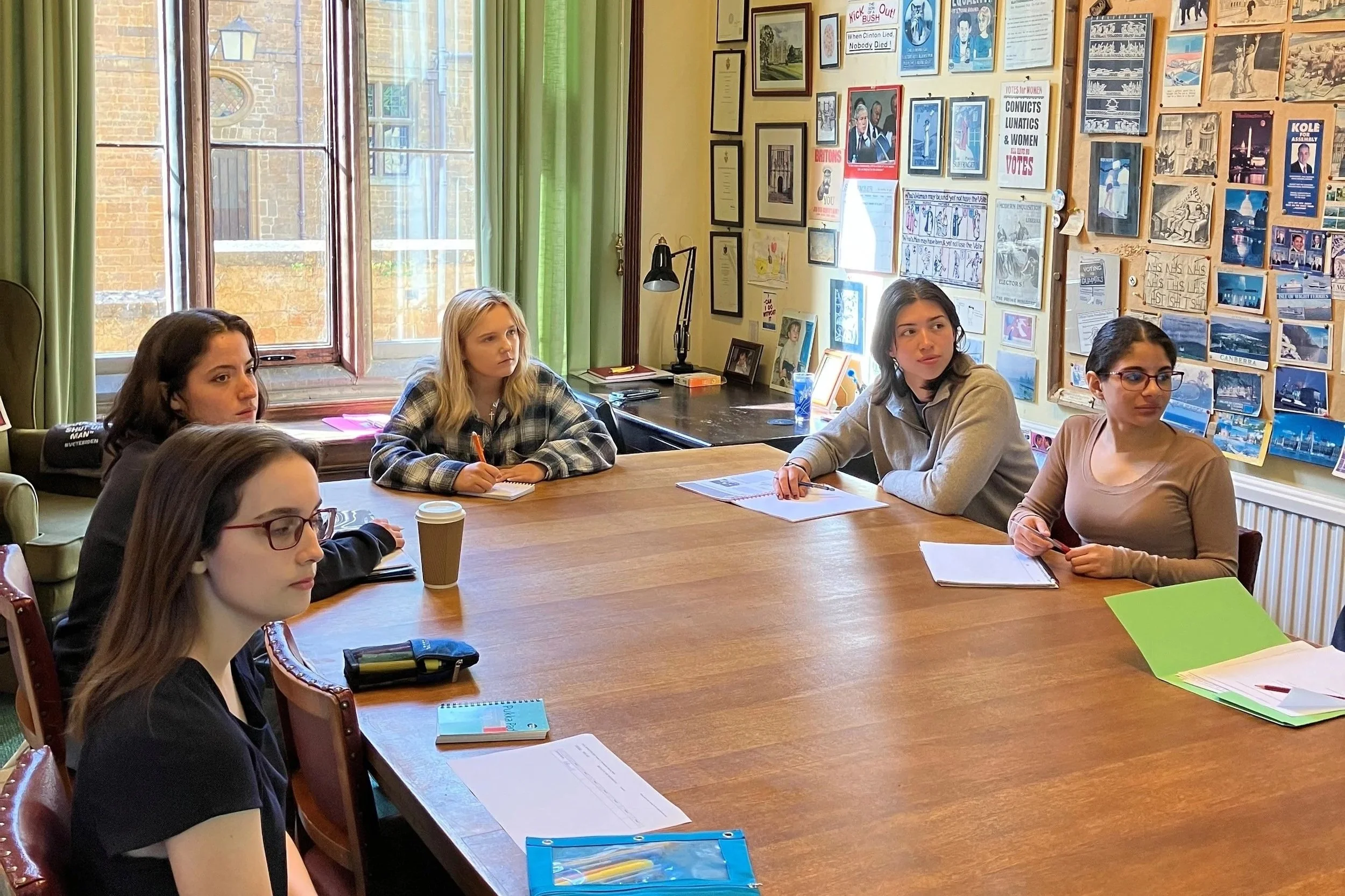
Surveys historical and contemporary discussions of women in British literature through female writers in prose, poetry, and theatre. The first half emphasizes historical texts (including Jane Austen, Christina Rossetti, and Aphra Behn), and the second half compares these foundations to modern women writers, highlighting continuity and change in voice, agency, and representation.
Government and Politics
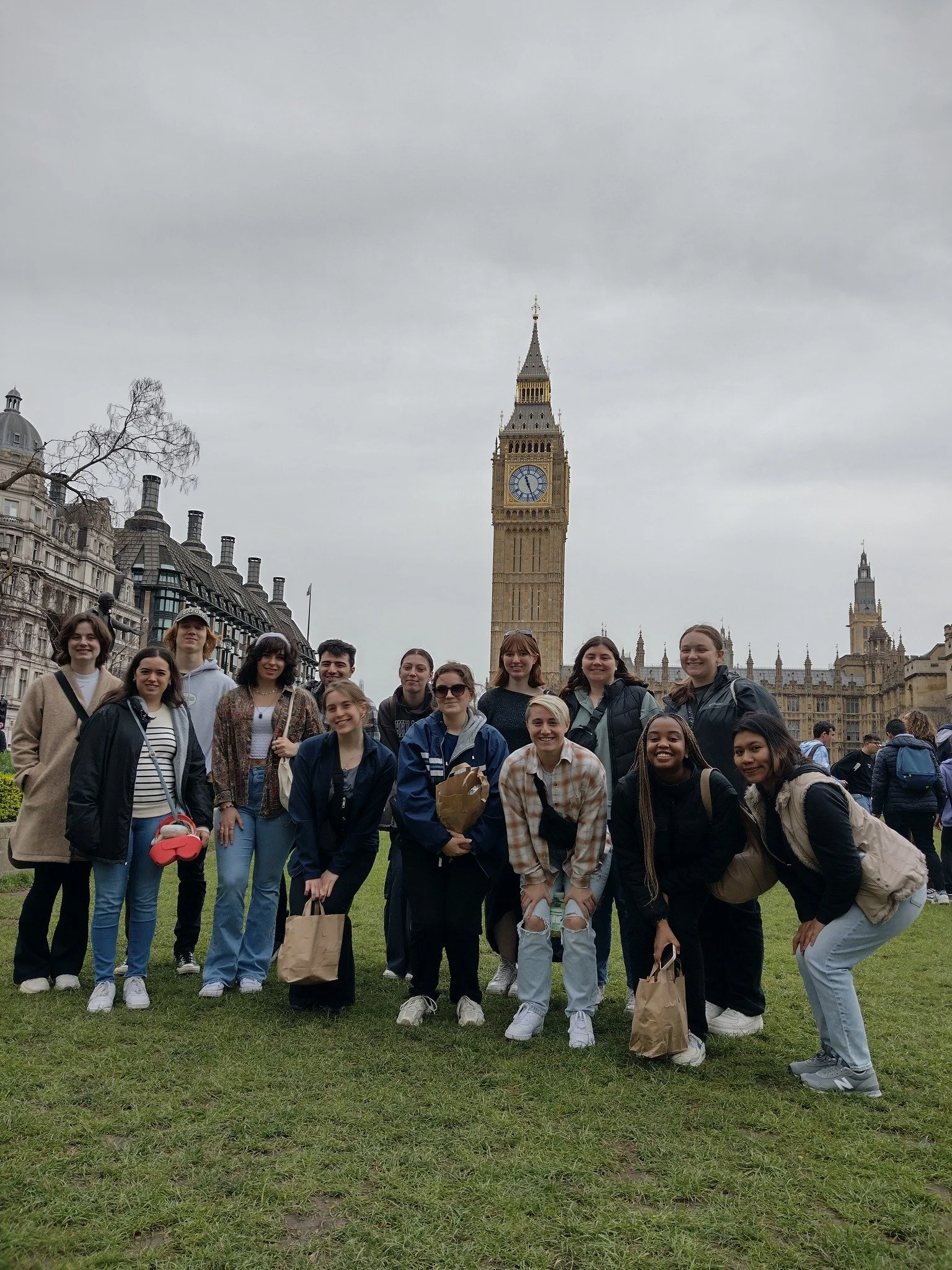
British Government & Politics (3 credits)
A broad introduction to the origins, development, structure, and real-world workings of Britain’s political system. Students study how institutions and political forces interact, building a usable map of how government functions in practice as well as in theory.
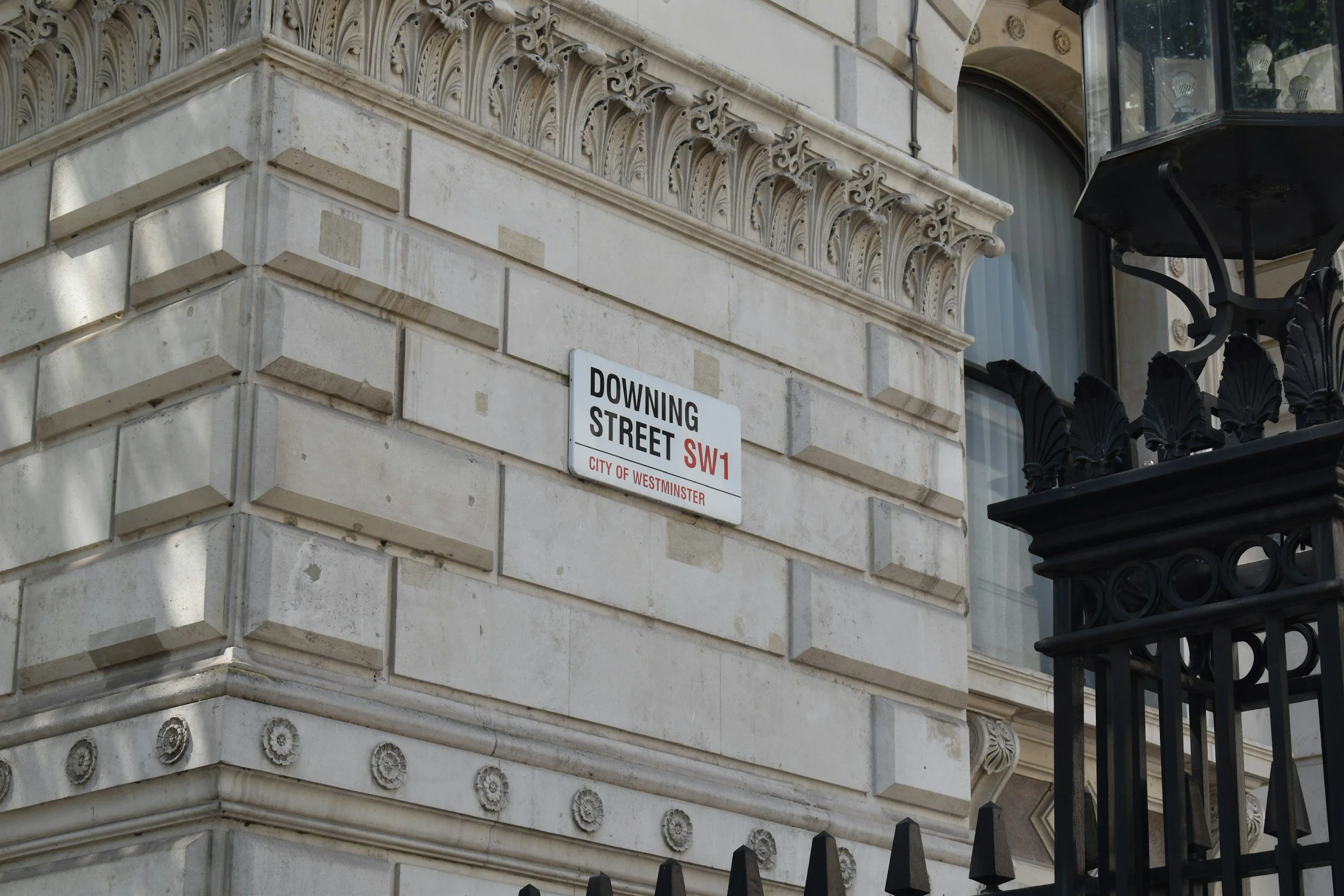
The Power & Personality of British Prime Ministers (3 credits)
Traces the evolution of the Prime Minister’s role from Walpole to the present, with particular emphasis on 20th- and 21st-century leaders. Students examine the formal and informal powers of the office and assess how individual personality can expand or constrain those powers in real governing circumstances.
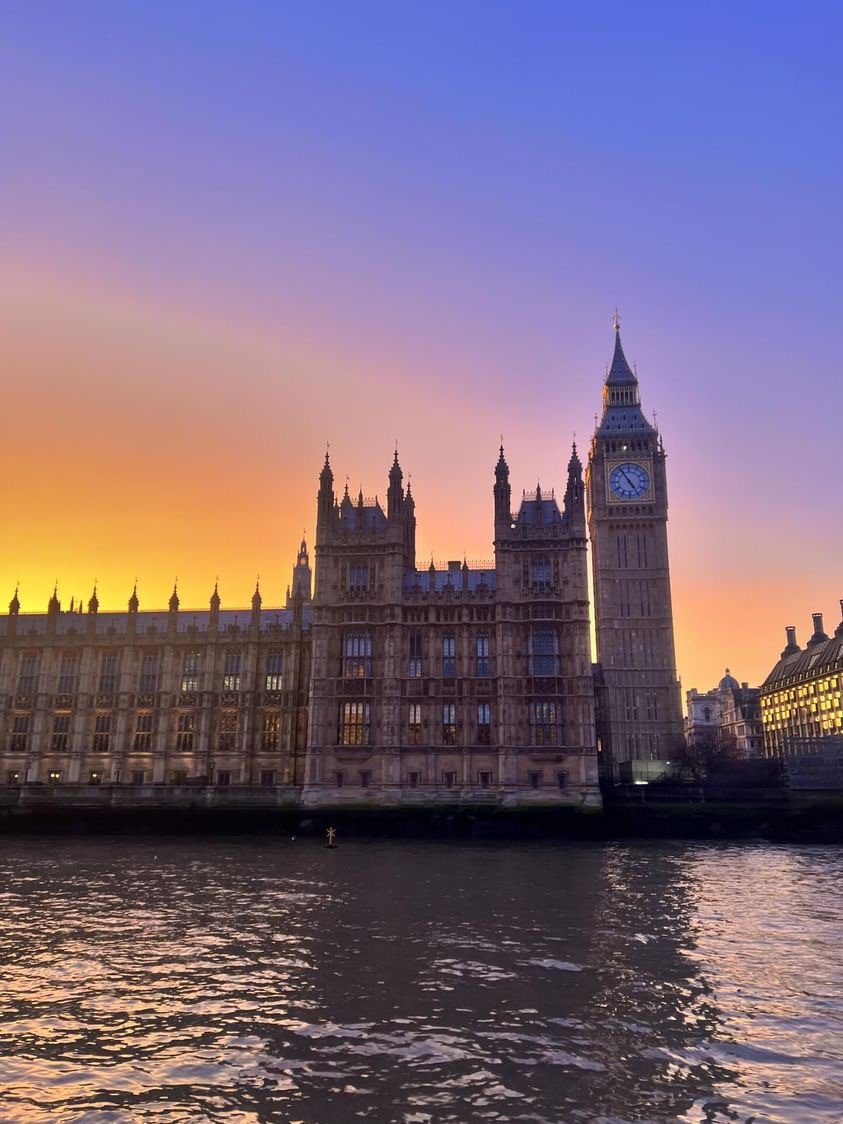
The Influence of Parliament (3 credits)
Asks what Parliament’s scrutiny role should be and what it actually is, including how influence over executive decisions has changed over time. Students evaluate the practical mechanisms of oversight and the shifting balance between Parliament and the executive branch.

European Economic Integration (3 credits)
Examines Europe’s post-1945 growth and development through the lens of regionalism and integration. Students focus on how institutions, policies, and political processes evolved to create today’s integrated European economic landscape. Emphasis is on the milestones and tradeoffs of integration over time.
The Political Economy of the European Union (3 credits)
Analyzes how the EU governs an integrated single market while balancing different national capitalist models and competing economic priorities. Students examine how market-expanding policies interact with social objectives, and how multi-level institutions (Commission, Council, Parliament) navigate national interests, lobbying pressures, and crisis response. The European Court of Justice is treated as a central constraint and driver in the system’s evolution.
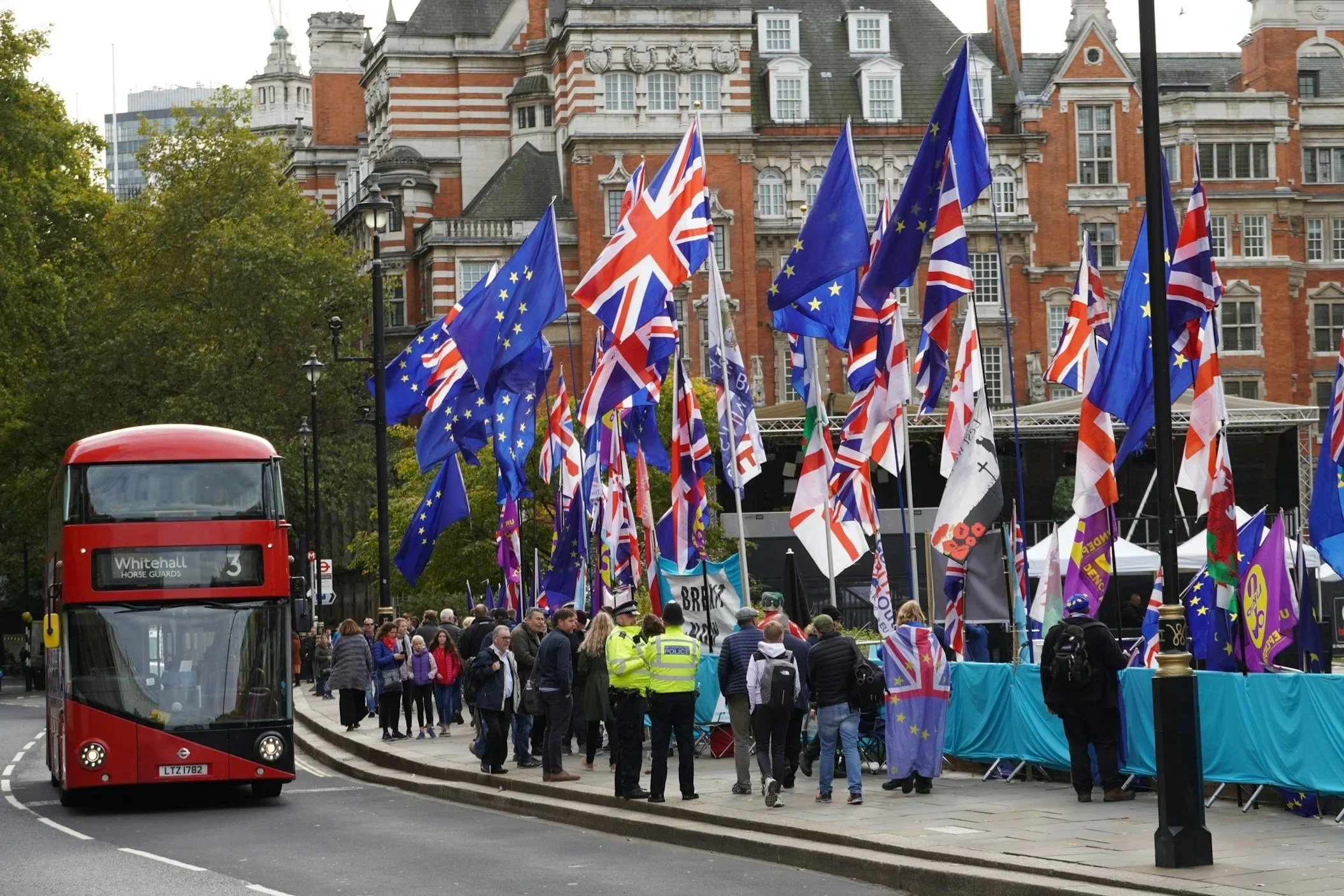
The Politics of Britain & Europe (3 credits)
Studies Britain’s historically “arms-length” relationship with continental Europe, including the fact that it joined the European Community late (1973) and was often seen as a reluctant European thereafter. The course then treats Brexit (June 2016) as a culmination point and explores the political implications and ramifications of that relationship over time.
Sustainability (3 credits)
An interdisciplinary course addressing global sustainability through multiple lenses (geology, geography, environmentalism, economics, political science, psychology, geopolitics). Students explore how interconnected systems create both visible and less obvious dependencies, then apply the framework to solutions and the obstacles that block progress. British and European perspectives are incorporated throughout.
History
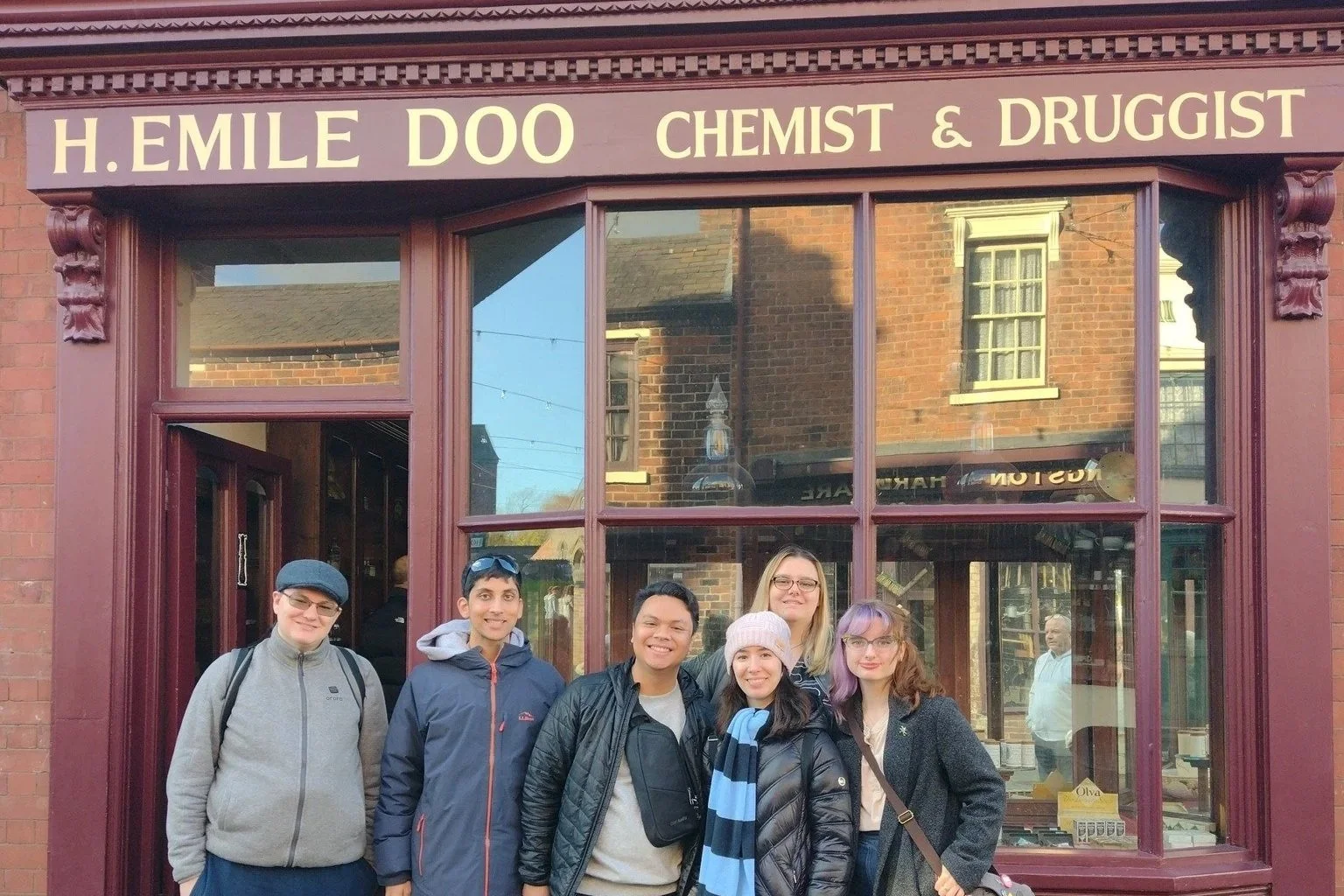
Descent from Power: British Foreign Policy Since 1900 (3 credits)
Examines Britain’s foreign policy process as the country moved from perceived “Great Power” status to accepted “Middle Power” status. Students analyze how domestic politics and changing international environments shaped choices across the 20th and 21st centuries.
The Politics of Britain & Europe (3 credits)
Studies Britain’s historically “arms-length” relationship with continental Europe, including the fact that it joined the European Community late (1973) and was often seen as a reluctant European thereafter. The course then treats Brexit (June 2016) as a culmination point and explores the political implications and ramifications of that relationship over time.
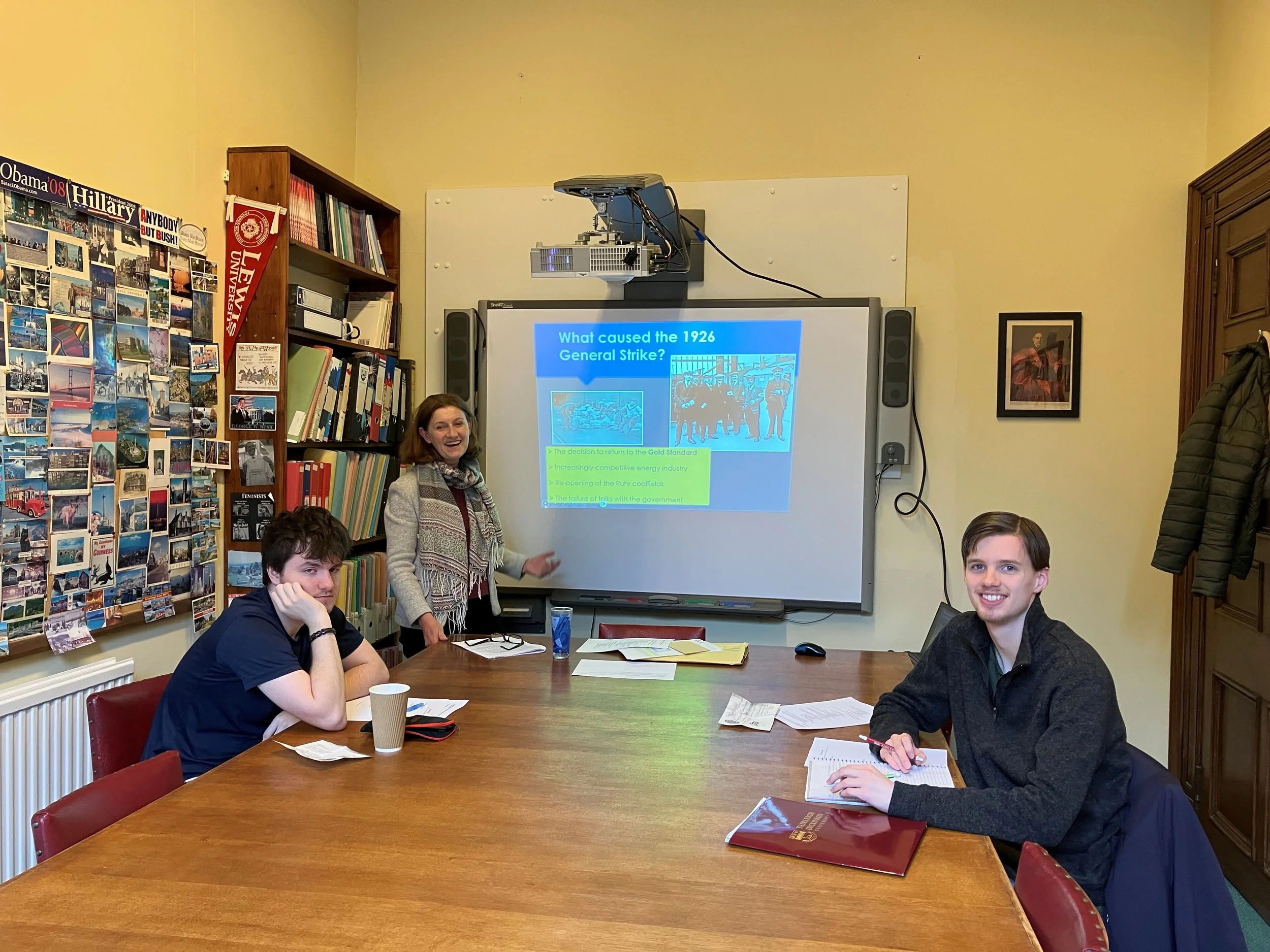
Britain in the Modern Era (3 credits)
A history of Britain in the 19th and first half of the 20th centuries, focused on the political, social, economic, and cultural developments that shaped contemporary Britain. Students connect major historical transitions to the institutions and identities that persist today.

Europe in the 20th & 21st Centuries (3 credits)
Surveys Europe’s modern history through political, military, social, economic, and cultural developments that collectively produced today’s Europe. The course emphasizes cumulative change, showing how major events and structural shifts reverberate into current realities.
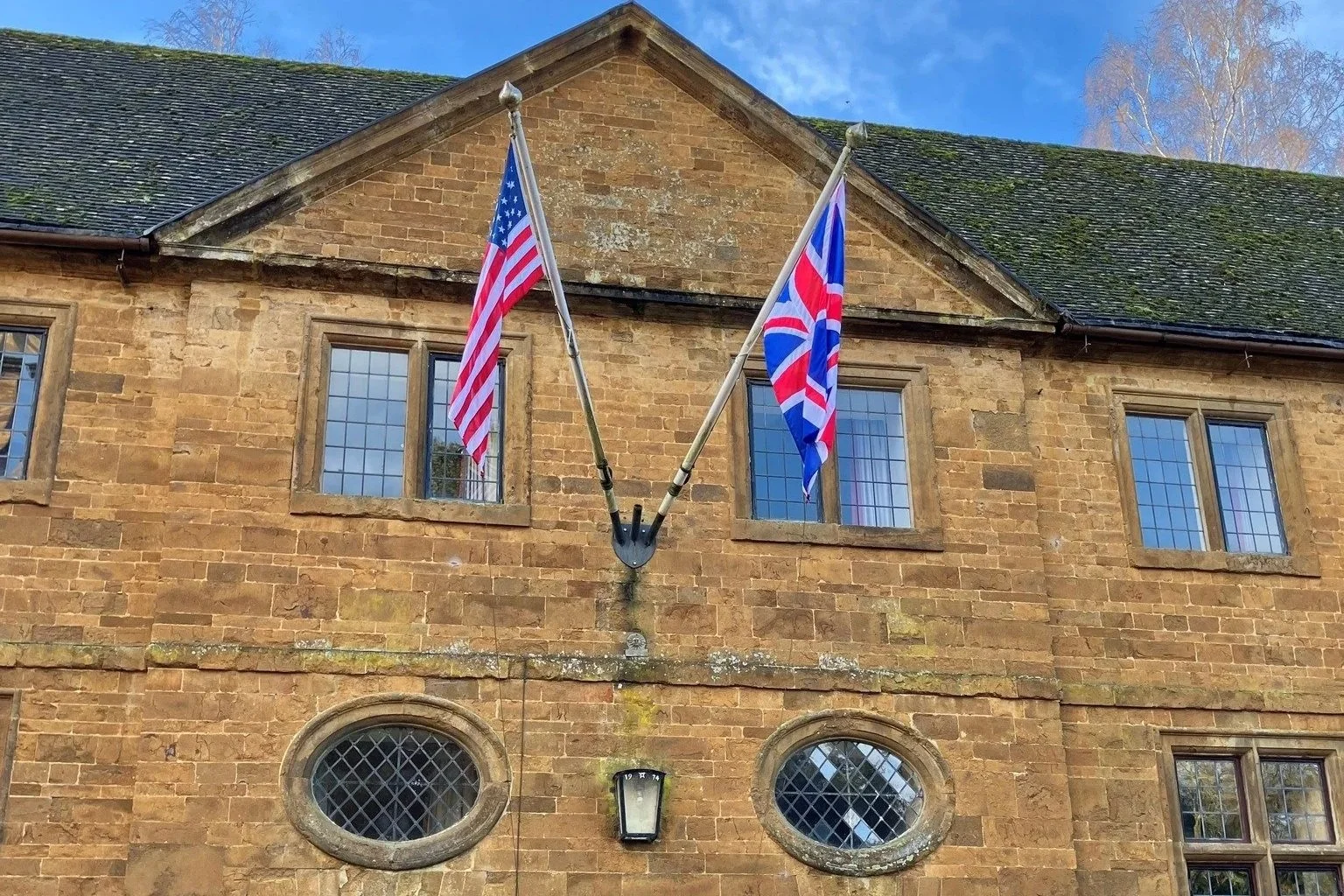
Anglo-American Relations (3 credits)
Traces Anglo-American relations from the American Revolution through the World Wars, 1920s economic competition, Suez, the Falklands, 9/11, and the period that followed, up to the present day. The course evaluates the idea of a “special relationship” by examining when strategic interests converge, when they diverge, and why.
Hospitality
Introduction to the Beers and Ales in Europe (3 credits)
The course aims to demonstrate the diverse range of styles of beers available throughout Europe and Great Britain. The course explores the brewing process and how this will differ depending on the desired outcomes for the final product. The course will explore the traditional styles of beers associated with different areas of Europe and the history behind how these styles evolved. Students will also develop an understanding of current trends and the picture across Britain in terms of hospitality and the beer industry.
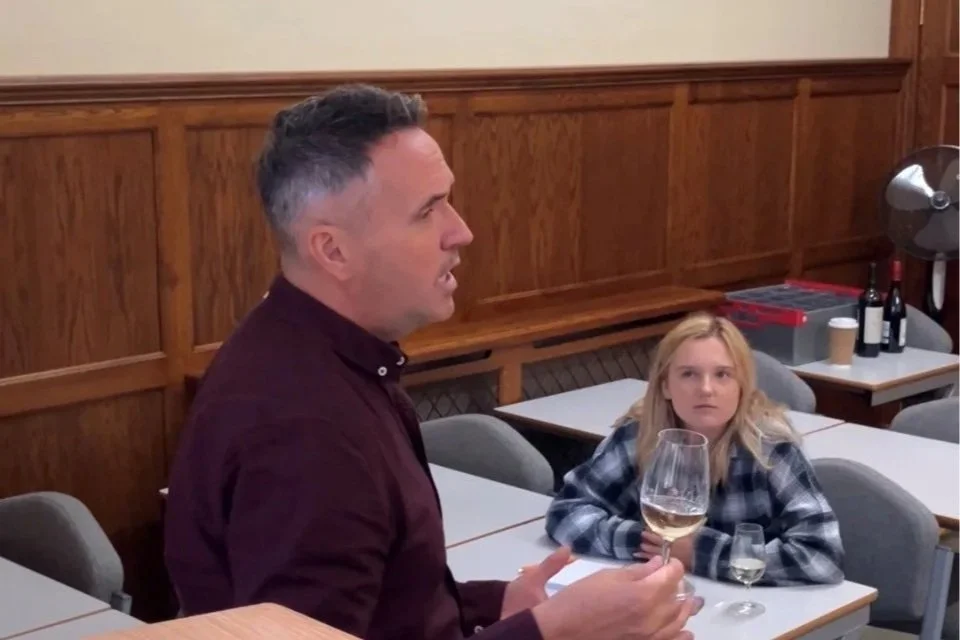
Introduction to the Study of Wine (3 credits)
Provides an overview of various topics related to wine. These include: history, production, service and distribution. Open to non-hospitality majors.

Sociology and Society
The Anatomy of Contemporary Britain (3 credits)
An interdisciplinary “landing” course designed to help students interpret Britain’s contemporary life and culture in context. It focuses on the cultural and attitudinal differences that can be hidden by a shared English language, and trains students to observe, compare, and explain “why things are the way they are” through topics explored both in class and on-site. A core premise is that “different” is not a value judgment – the work is to identify the roots of difference and reflect more thoughtfully on both Britain and one’s own home culture.

Social Policy in Contemporary Britain (3 credits)
Examines the causes and scale of major social challenges in Britain – poverty, unemployment, crime, ill health, inadequate housing, and poor schooling – and evaluates governmental and other policy responses intended to improve society. Students connect diagnosis to policy design, outcomes, and tradeoffs.
Women & Race in Modern Britain (3 credits)
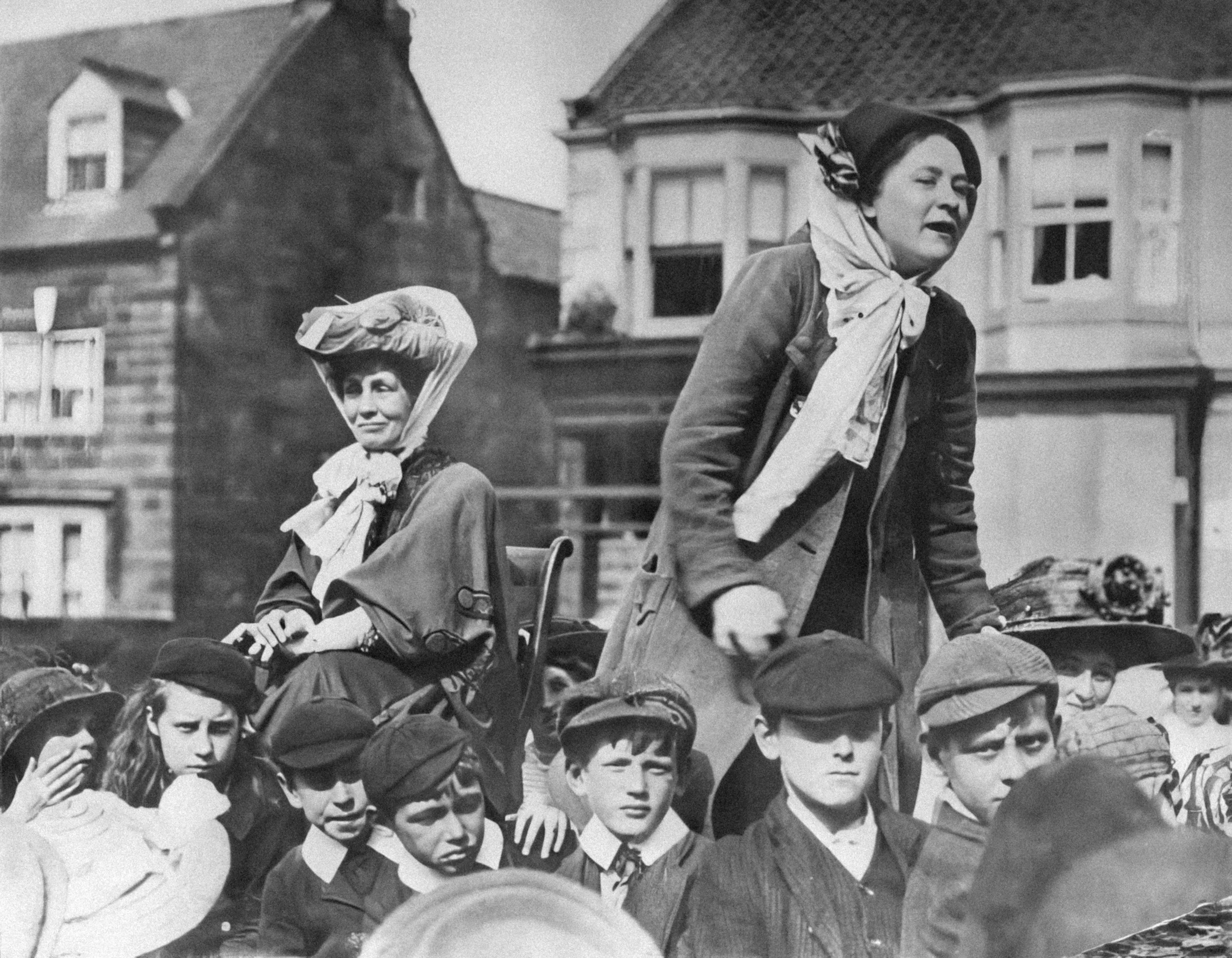
An examination of the lived circumstances of women and ethnic minorities in contemporary Britain, with attention to the extent and forms of sexual and racial discrimination. The course also studies practical and political strategies that have been used to remove or overcome discrimination, and the debates and barriers those strategies encounter.
Sustainability (3 credits)
An interdisciplinary course addressing global sustainability through multiple lenses (geology, geography, environmentalism, economics, political science, psychology, geopolitics). Students explore how interconnected systems create both visible and less obvious dependencies, then apply the framework to solutions and the obstacles that block progress. British and European perspectives are incorporated throughout.
Independent Study
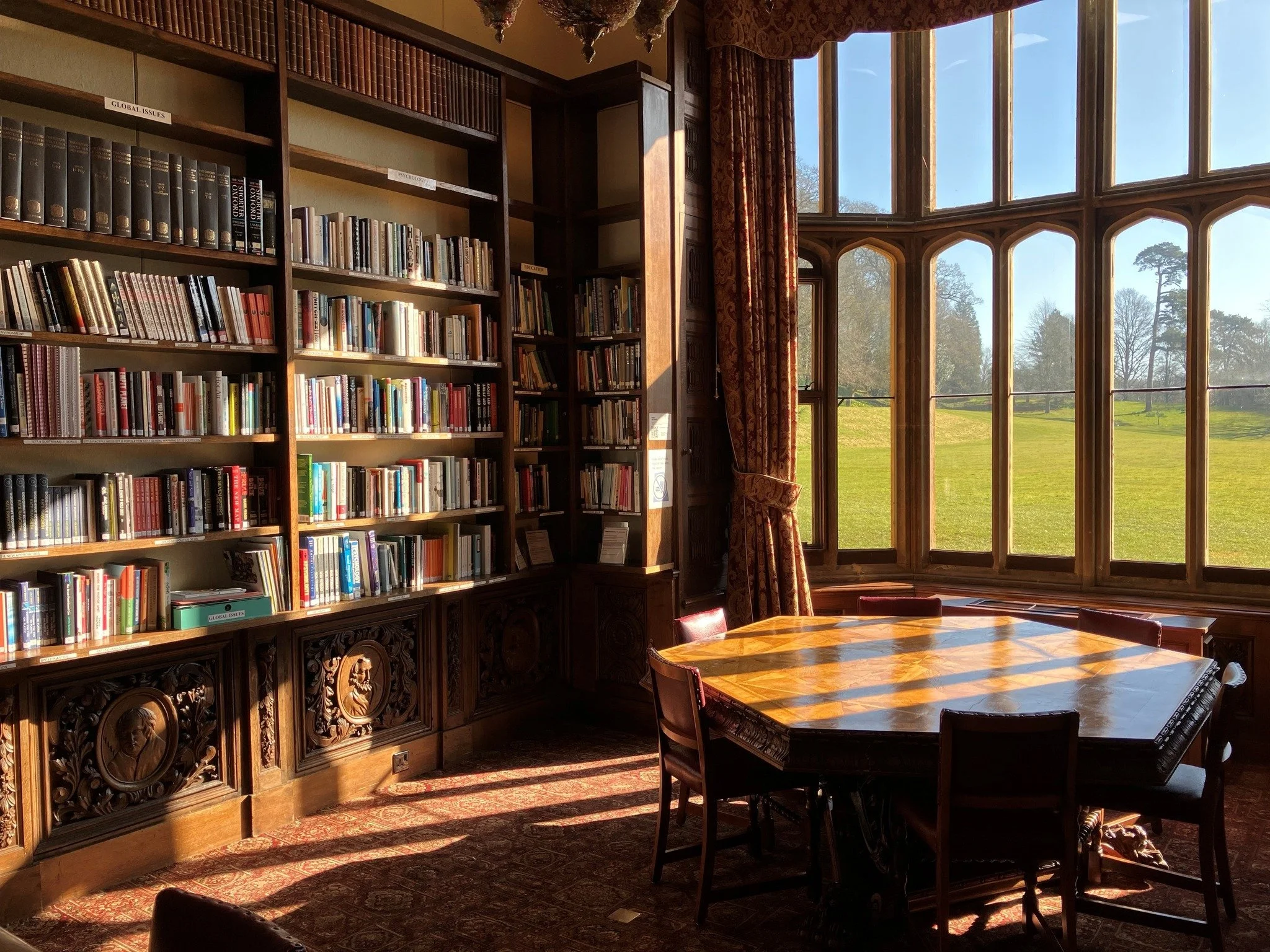
Wroxton’s tutorial-style environment supports supervised independent study within faculty expertise, subject to advance approval by the Dean and the student’s home academic adviser. Recent topics have ranged from Business Ethics and Social Policy in Britain to Education in Britain, WWI, the British Judicial System, Watercolour Painting, and Poetry.

Integrated Internship Program
(course study + internship)
A structured option combining directed coursework with internships in areas such as business/event organization, business & hospitality (food and beverage), art and gallery organization, historic preservation/building conservation, library/archivist studies, and education (school teaching).