
Wroxton Living History: From the Abbey to the American Revolution
Lord North, Wroxton and the American War of Independence
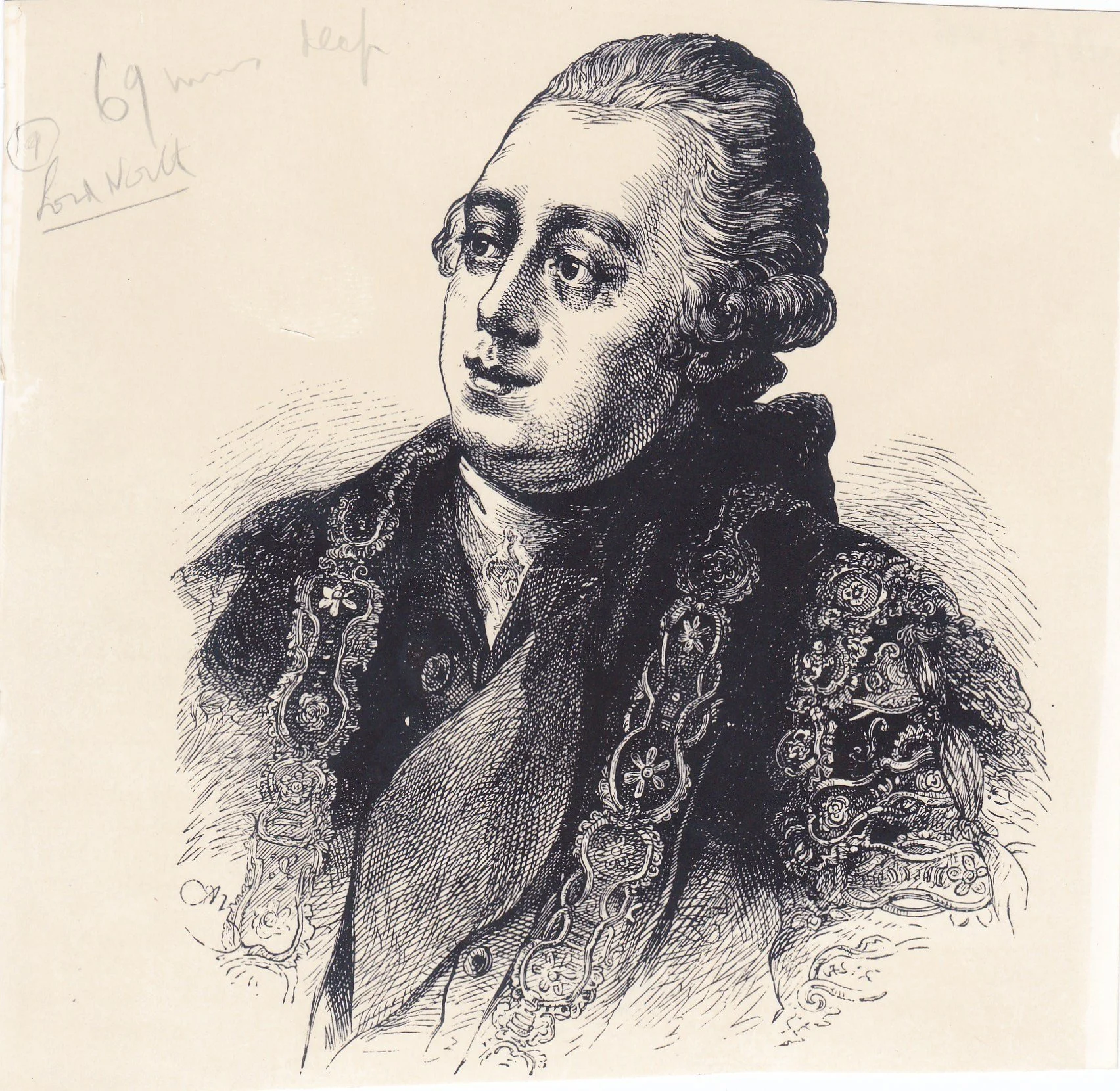
The American War of Independence, a fascinating and significant chapter in the history of the United States, is also closely linked with the history of Wroxton Abbey. Lord North, Prime Minister of Great Britain during the War of Independence, grew up in Wroxton. Wroxton Abbey was his family home.
Educated at Eton, and Trinity College, Oxford, Lord North entered parliament as MP for Banbury and the surrounding district, including Wroxton in 1754 at the age of 22. With his political career on the rise, Lord North took on various roles including Chancellor of the Exchequer in 1767 and Leader of the Commons in 1768.
An expert orator, and a popular figure in parliament, a story is told that at the opera one evening, Lord North was in company with a distinguished foreign visitor who wished to learn the names of the principal people in the audience. “Who is that plain looking lady in the box opposite,” he asked. “That,” replied Lord North “is my wife.” “Oh, pardon,” said the visitor; “I did not mean that lady, but the rather ugly one beside her.” “The other, sir, is my daughter.” Lord North is then quoted as saying, “And I can tell you Sir, we are considered to be three of the ugliest people in London.”
In 1769 Lord North was attributed as saying, “I am not an ambitious man.” Whether he was an ambitious man or not, Lord North became Prime Minister of Great Britain the year after. George III entreated Lord North to become Prime Minister and not wishing to upset his monarch, Lord North duly obliged.
Lord North had a habit of closing his eyes in the middle of heated debates in parliament. On one occasion, his parliamentary opponent cried, “Even now, when voices of warning and protestation are raised against him, the noble lord is asleep.” “I wish to God I was,” replied Lord North.
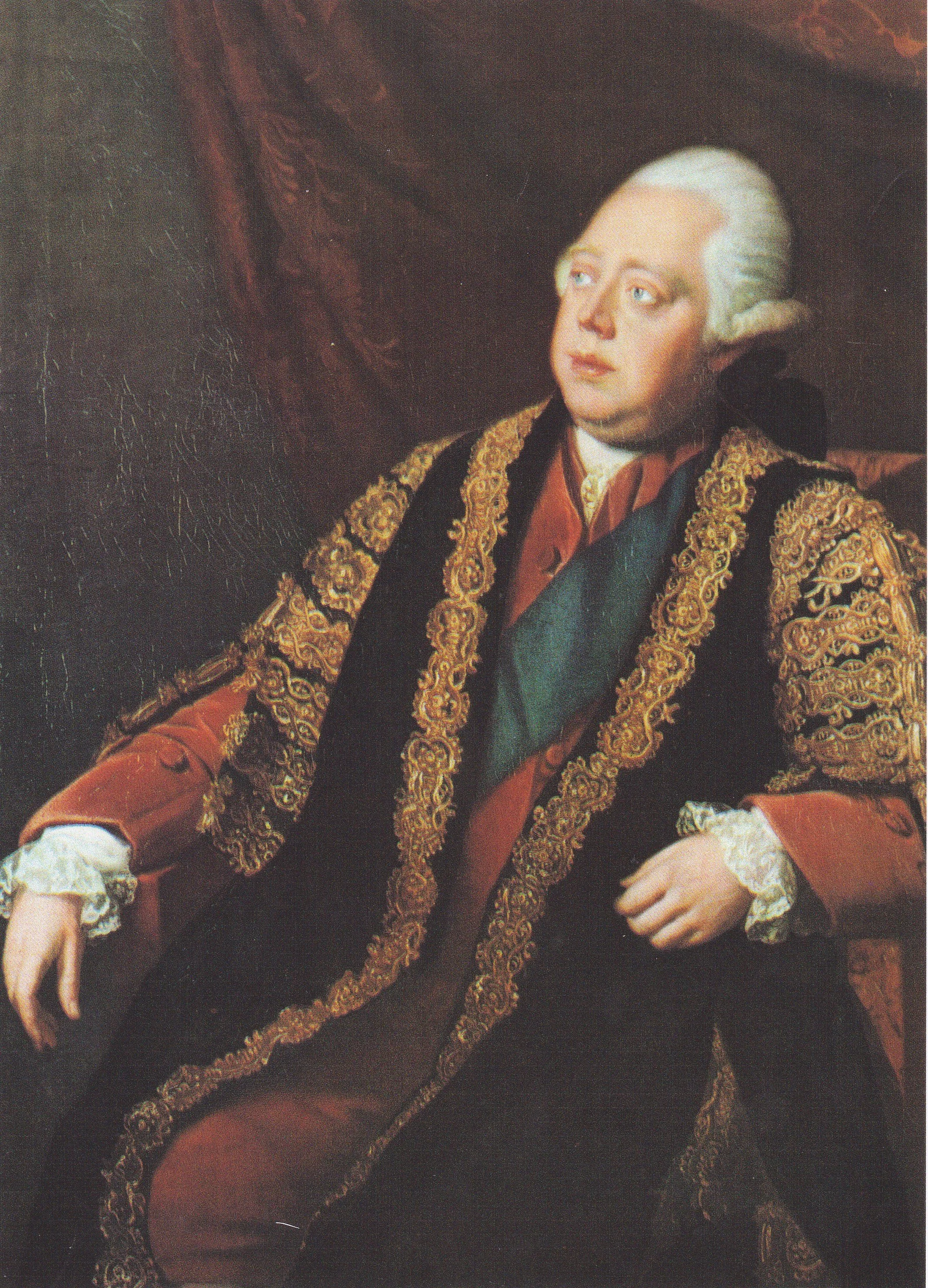
Lord North’s premiership is remembered mostly for the growing problems with the American colonies and the subsequent War of Independence.
George III regarded the resistance of the American colonies to taxation as rebellion and was prepared to abdicate his throne and seek refuge in Hanover rather than recognise their independence.
“The die is now cast,” wrote the king to Lord North. “The colonies must either submit or triumph.” Lord North had never imposed taxation on America; he had found taxation imposed by his predecessors and was not able to abandon it.
The War of Independence certainly put a strain on Lord North. In a letter sent to his father, he wrote, “In the course of ten years’ hurry and vexation, I have never been so hurried or so vexed as I have been for these last two or three months.”
The king refused to allow North to leave office. However, George III was reluctantly forced to submit to the inevitable. Lord North was forced out of office in 1782 after losing a vote of no confidence in the House of Commons, triggered by the British defeat at the Siege of Yorktown. No man could have been happier than Lord North himself.
The stresses and demands of parliamentary life had weighed Lord North down. He did not long survive his father, dying in 1792, two years after his father. Lord North is buried in the family church here at Wroxton, where a monument by Flaxon is erected to his memory.
There is more than a little irony in the fact that his family home has been an American owned university now for the past sixty years.
History has a way of folding back on itself. Although George III never stayed at Wroxton, his influence left its mark. To study the American War of Independence at Wroxton is to encounter it in context: to consider empire, loyalty, rebellion, and consequence in the place where one of its central figures was raised, lived, and is laid to rest.
For those interested in exploring this history more deeply, Wroxton will be offering a short academic program devoted to Lord North and the American Revolution this June.
Further information about the program can be found here: https://www.wroxton.college/lord-north